

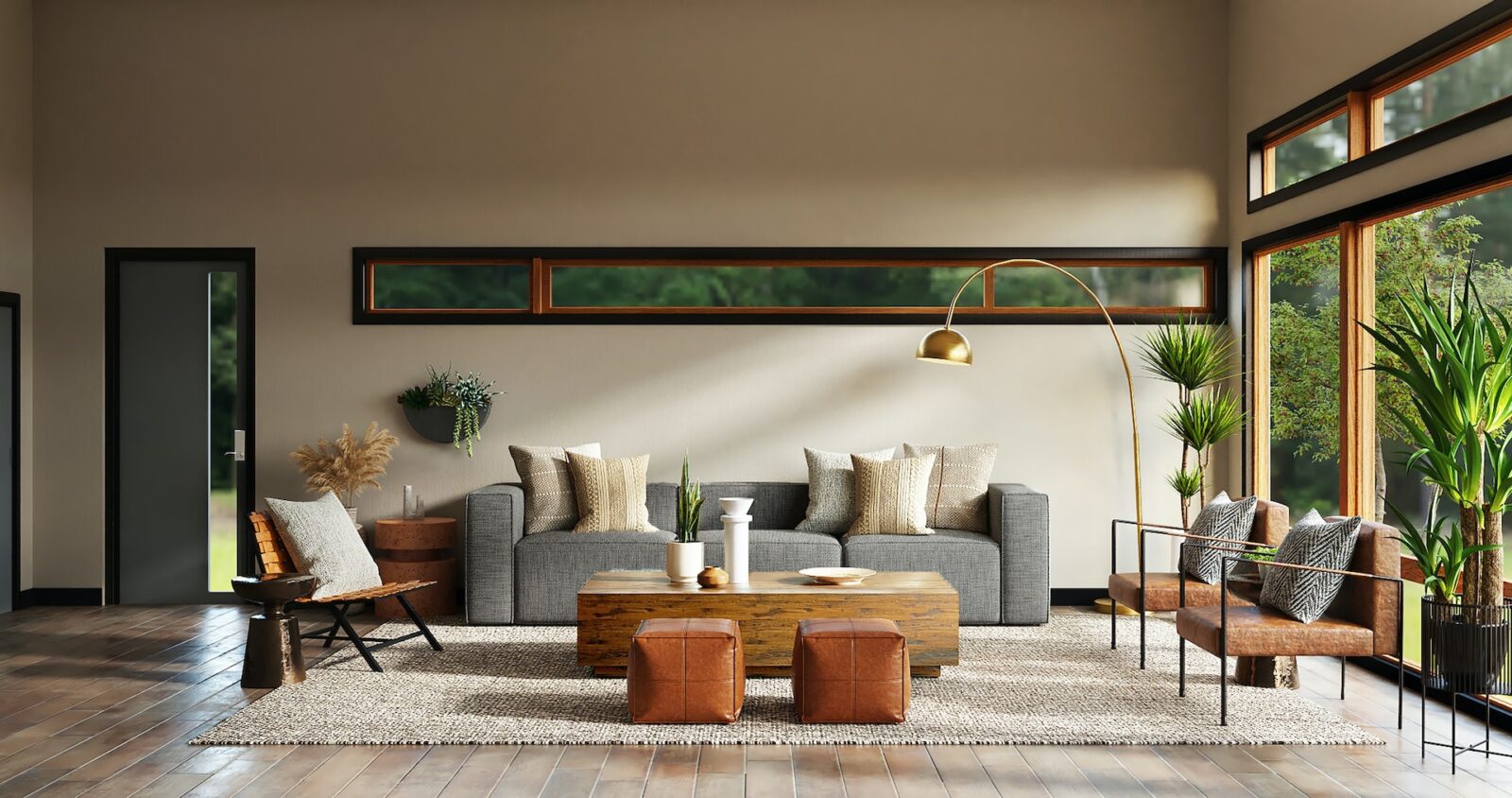
A single chair can set the tone for an entire room, and in the world of contemporary furniture design, even the smallest detail is a bold statement. As living spaces evolve and design philosophies shift, the furniture we choose becomes not only a functional necessity but an expression of cultural and technological progress.
The Evolution of Contemporary Furniture Design
Design is not created in a vacuum. The shapes, colors, and materials we see today are echoes of the past, reimagined for a rapidly changing world. Historical influences like mid-century modern minimalism and Scandinavian functionality continue to inspire today’s designers. Yet, modern reinterpretations breathe fresh life into these classics, integrating new forms and innovative techniques to create pieces that are both familiar and strikingly original.
One movement that continues to shape the field is Bauhaus, famous for its philosophy of “total architecture.” By viewing furniture as an extension of the space itself, brands like Knoll have championed architectural harmony. This approach encourages designers to see furniture not merely as objects to fill a room, but as integral components of the overall architectural vision. The result is a seamless blend of form and function that defines the best of contemporary design.
Milestones abound: pieces like the Camaleonda sofa have been continually reinvented to match current lifestyles, while still paying homage to their original intent. These icons act as markers in the ongoing story of design, reflecting changing tastes, materials, and cultural priorities.
Cutting-Edge Materials and Sustainability
The push for sustainability is rewriting the rules of what materials can be considered “luxury.” Innovations in eco-friendly materials have led to the rise of biodegradable plastics, recycled metals, and responsibly sourced woods. Designers are no longer satisfied with beauty alone; the story behind a material, how it is sourced, manufactured, and eventually recycled, has become a core element of its appeal.
Durability also plays a pivotal role. The Camaleonda sofa, for example, has been re-engineered to be more comfortable and sustainable than ever before. Its modular design and adaptive fabrics mean it can be reconfigured or refreshed, making it a thoughtful investment for both the environment and the user.
Biodegradable and recyclable components are no longer rare; they are increasingly the standard for leading brands. This shift speaks to a larger movement: the pursuit of circular design, where the life cycle of each piece is carefully considered from beginning to end.
Technological Integration in Furniture
Technology is quietly transforming the way furniture is designed and experienced. Smart furniture, equipped with features like integrated charging stations, app-controlled lighting, and adjustable ergonomics, is redefining expectations for both comfort and connectivity. No longer is a table just a table; it’s a hub of activity, seamlessly integrating into the rhythms of modern life.
3D printing, once a futuristic promise, is now a practical tool for rapid prototyping and personalized customization. Designers can quickly iterate concepts and fabricate bespoke pieces tailored to individual tastes or spatial requirements. This flexibility is rewriting the relationship between user, manufacturer, and object.
Lighting, too, has emerged as a key element of the furniture experience. Instead of being an afterthought, lighting solutions are now embedded within pieces themselves, subtly enhancing atmosphere and making even utilitarian objects feel extraordinary.
Collaboration Between Designers and Manufacturers
The creative spark that ignites innovation often comes from collaboration. International partnerships between designers and brands have become commonplace, each bringing unique perspectives and expertise to the table. These relationships are not just about aesthetics; they are about pushing the boundaries of what is possible.
Striking a balance between traditional craftsmanship and the efficiencies of mass production is an ongoing challenge. The best results happen when artistry and industry work in harmony, producing pieces that maintain their individuality while being accessible to a wider audience.
Brands like B&B Italia, Knoll, and Tacchini exemplify this spirit. Their willingness to experiment and collaborate has solidified their positions at the forefront of contemporary design, setting standards that others aspire to reach.
Elevating Residential and Commercial Spaces
Contemporary furniture is not just about style, it’s about adapting to the multifaceted demands of modern life. Multifunctional and flexible designs cater to the reality of smaller urban living spaces and the increasing blend of work and leisure at home.
Luxury furniture has found a powerful role in corporate offices and hospitality settings, where first impressions and comfort converge. The right piece can transform a lobby into an experience or an office into a statement of intent, shaping how people interact with space and, ultimately, each other.
At its core, contemporary furniture design defines not just how we live, but how we feel and connect. The carefully curated selections at boutiques such as meubles contemporains Avant-Scène reflect this ongoing evolution, providing inspiration for both private and commercial projects.
The Future of Contemporary Furniture Design
What comes next? Experts forecast a wave of softer, more organic shapes and the continued embrace of sustainable practices. Virtual design tools and digital showrooms are making high-end design more accessible, allowing clients to visualize spaces and experiment with layouts before a single piece is purchased.
Yet, the road ahead is not without its challenges. As consumer expectations rise, brands must navigate the fine line between innovation and timelessness, customization and efficiency. The next decade will test the agility and vision of designers and manufacturers alike, but if the last thirty years are any indication, the future of contemporary furniture design promises excitement, ingenuity, and a deepening connection between people and the spaces they inhabit.