

Health Risks Associated with Asbestos Exposure
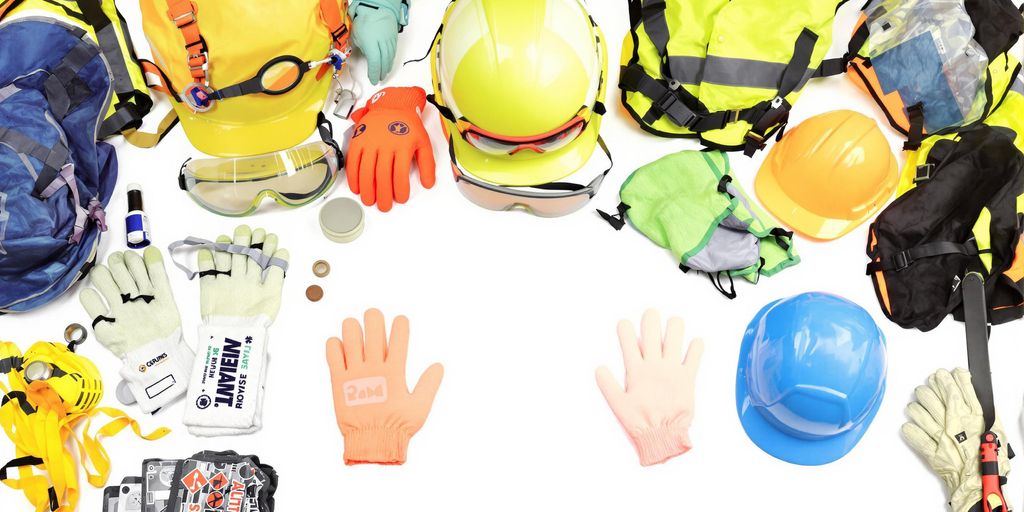
Asbestos exposure is no small matter. When asbestos fibers become airborne and are inhaled, they can lead to severe health complications. The most concerning risks include lung cancer, mesothelioma, and asbestosis—a chronic lung disease caused by fiber buildup in the lungs. Even minimal exposure can pose long-term health risks, making protective measures absolutely necessary. Professionals working with asbestos must always utilize personal protective equipment to reduce exposure and safeguard their health.
Legal Requirements for Asbestos Safety
Governments worldwide enforce strict regulations to control asbestos handling. These laws mandate the use of safety equipment, proper training, and containment measures to ensure the well-being of workers and the public. In many regions, failing to comply with these protocols can result in hefty fines or legal action. For instance, using personal protective equipment (PPE) is not just a recommendation—it’s a legal obligation in asbestos-related work.
The Role of Safety Equipment in Risk Mitigation
Safety gear plays a critical role in minimizing the dangers of asbestos exposure. From respirators that filter out harmful fibers to protective clothing that prevents skin contact, every piece of equipment is designed to lower risks. Key benefits of using safety equipment include:
- Preventing inhalation of asbestos particles with specialized masks and respirators.
- Reducing skin and eye irritation by wearing full-body coveralls and goggles.
- Ensuring contaminated materials are handled and disposed of safely, minimizing environmental impact.
Without proper safety gear, the risks of asbestos exposure multiply, endangering both workers and those around them.
Personal Protective Equipment for Asbestos Handling
Respiratory Protection and Masks
When dealing with asbestos, respiratory protection is non-negotiable. Inhaling asbestos fibers can lead to severe health problems, including lung cancer and mesothelioma. Workers should wear N95 or P100 respirators depending on the level of risk involved in the removal process. These masks are designed to filter out fine particles and provide a reliable barrier against airborne fibers. Proper fit is essential, as even the best respirator won’t work if it doesn’t seal correctly. Regular checks and maintenance ensure the respirator remains effective.
Protective Clothing and Coveralls
Full-body coverage is a must when handling asbestos. Tightly woven coveralls, often equipped with hoods and elastic cuffs, help prevent fibers from coming into contact with the skin. Disposable coveralls are a popular choice because they can be discarded after use, reducing the risk of contamination. However, reusable options are available for those who prefer them, provided they are cleaned following strict decontamination protocols. Always ensure the material meets safety standards for asbestos work.
Gloves and Footwear for Asbestos Work
Gloves and footwear are often overlooked but are vital components of personal protective equipment. Gloves should be made from durable materials that resist tearing and punctures, while boots should be non-slip and cover the ankles. Some workers opt for over-boots to prevent contamination of regular footwear. Both gloves and boots should be inspected for damage before each use and replaced immediately if compromised. Properly fitted gear minimizes exposure and ensures worker safety.
Respiratory Protection: A Critical Component
Types of Respirators for Asbestos Work
When it comes to asbestos work, choosing the right respirator is non-negotiable. Respirators are specifically designed to filter out harmful asbestos fibers, which can cause serious health issues if inhaled. The two main types of respirators used in asbestos handling are air-purifying respirators (APRs) and powered air-purifying respirators (PAPRs).
- Air-Purifying Respirators (APRs): These rely on filters or cartridges to remove asbestos particles from the air. They’re lightweight and commonly used for less intensive tasks.
- Powered Air-Purifying Respirators (PAPRs): These have a battery-powered fan that pulls air through filters, making them more comfortable for extended use and higher levels of protection.
- Full-face respirators are often preferred because they provide both respiratory and eye protection in one unit.
For those in need of reliable respiratory protective equipment, Premier Safety offers a wide range of options, including respirators, helmets, filters, and more.
Proper Fit and Maintenance of Respirators
A respirator is only as effective as its fit. A poorly fitted respirator can allow asbestos fibers to bypass the filters, putting the wearer at risk. Fit testing should be conducted regularly to ensure a proper seal. Key steps include:
- Performing a fit test before first use and annually thereafter.
- Ensuring facial hair does not interfere with the seal.
- Adjusting straps for a snug yet comfortable fit.
Maintenance is equally important. Clean the respirator after each use, replace filters as needed, and store it in a clean, dry place to prolong its lifespan.
When to Replace Respiratory Equipment
Knowing when to replace respiratory equipment is crucial for safety. Filters and cartridges have a limited lifespan and should be replaced according to the manufacturer’s guidelines or sooner if breathing becomes difficult. Signs that it’s time to replace equipment include:
- Difficulty breathing through the respirator.
- Visible damage or wear to the mask or straps.
- Expired filters or cartridges.
By staying proactive about replacement and maintenance, workers can ensure their respiratory protection remains effective throughout their tasks.
Protective Clothing: Ensuring Full Body Coverage
Material Standards for Asbestos Protective Gear
Protective clothing used in asbestos work must meet specific standards to offer adequate defense against harmful fibers. The primary goal is to prevent any asbestos particles from coming into contact with the skin or being transported outside the worksite. Generally, these garments are made from tightly woven materials designed to block microscopic particles. For instance, disposable suits often utilize materials like polypropylene, which is both lightweight and resistant to penetration by asbestos fibers. When selecting protective gear, it’s essential to ensure it complies with the relevant safety certifications and guidelines.
Disposable vs. Reusable Protective Clothing
The choice between disposable and reusable protective clothing depends largely on the nature of the asbestos work and the level of contamination. Disposable suits, such as the Full Coverage Disposable Protective Suit from RANGERTM, are practical for high-risk tasks. They are lightweight, easy to wear, and eliminate the need for decontamination after use. On the other hand, reusable protective clothing may be suitable for lower-risk environments but requires thorough cleaning and maintenance to prevent cross-contamination. Workers must weigh the convenience of disposables against the long-term cost-effectiveness of reusable options.
Guidelines for Proper Use and Disposal
Wearing protective clothing correctly is just as important as choosing the right type. Here are some key steps to follow:
- Inspect the Suit Before Use: Check for any tears, holes, or defects that could compromise protection.
- Ensure a Snug Fit: Protective suits should cover the entire body, including wrists and ankles, to minimize exposure.
- Dispose of Contaminated Clothing Properly: For disposable suits, follow local hazardous waste guidelines to ensure safe disposal. Reusable suits must be decontaminated in a controlled environment.
By following these guidelines, workers can significantly reduce the risk of asbestos exposure and maintain a safer workspace.
Eye and Face Protection for Asbestos Work
Safety Goggles and Face Shields
When working with asbestos, protecting the eyes and face is not just an option—it’s a necessity. Safety goggles and face shields are designed to prevent asbestos fibers from reaching sensitive areas like the eyes and skin. Goggles provide a snug fit around the eyes, blocking even the smallest particles, while face shields offer an added layer of defense by covering the entire face. For tasks that involve cutting or breaking asbestos-containing materials, combining both goggles and a face shield is often recommended.
Preventing Eye Irritation from Asbestos Fibers
Asbestos fibers are tiny and can easily irritate the eyes if proper protection isn’t used. Irritation can lead to redness, itching, and even long-term damage if exposure is prolonged. Workers should always wear their protective gear correctly and avoid touching their eyes during asbestos handling. Washing hands thoroughly after work is another simple but effective step to reduce the risk of transferring fibers to the eyes.
Standards for Eye Protection Equipment
Eye protection for asbestos work must meet strict safety standards to ensure maximum effectiveness. Equipment should comply with OSHA or similar regulatory guidelines, which often recommend impact-resistant lenses and anti-fog coatings. Regular inspection of goggles and shields is essential to check for scratches, cracks, or other damage that might compromise their protective abilities. Damaged gear should be replaced immediately to maintain safety on the job.
The Role of Decontamination Units in Asbestos Safety
Setting Up a Decontamination Area
When working with asbestos, having a well-structured decontamination area is non-negotiable. This space is critical for minimizing the spread of asbestos fibers to other environments. A proper decontamination setup acts as a barrier, protecting both workers and the surrounding areas. Typically, this area includes separate sections for “clean,” “dirty,” and shower zones to ensure a sequential cleaning process.
To set up an effective decontamination area:
- Use airtight plastic sheeting to seal off the workspace.
- Clearly label sections to avoid confusion.
- Ensure proper ventilation to prevent fiber accumulation.
Using Decontamination Showers Effectively
Decontamination showers are a key part of the process. Workers must pass through these showers to wash off any asbestos particles clinging to their protective suits or skin. Showers equipped with filtered drainage systems are recommended to capture and safely dispose of contaminated water. Workers should:
- Remove outer protective gear in the “dirty” zone.
- Use the shower thoroughly, focusing on all exposed areas.
- Transition to the “clean” zone only after completing the process.
Proper Disposal of Contaminated Equipment
Contaminated tools and gear must be handled with care to prevent secondary exposure. Specialized disposal bags designed for asbestos waste should be used. These bags are typically marked and sealed to comply with safety regulations. Items such as gloves, masks, and disposable suits must be discarded immediately after use. For reusable tools, decontamination procedures should include:
- Wiping down surfaces with damp cloths.
- Storing cleaned tools in airtight containers.
- Inspecting for any remaining debris before reuse.
For more detailed guidelines on managing worker decontamination systems, refer to the Worker Decontamination Enclosure System outlined in asbestos control regulations.
Safety Equipment for Asbestos Removal Tools
Vacuum Systems with HEPA Filters
When it comes to asbestos removal, vacuum systems equipped with HEPA filters are a must-have. These specialized vacuums trap even the tiniest asbestos fibers, preventing them from becoming airborne and reducing the risk of exposure. Always ensure the vacuum meets HEPA standards to guarantee maximum filtration. Regular maintenance and proper disposal of the collected material are critical steps to maintain safety.
Encapsulation Sprayers and Their Use
Encapsulation sprayers play a key role in asbestos work by sealing fibers in place. This prevents them from spreading during removal. These sprayers are used to coat asbestos-containing materials with a binding agent, creating a protective layer. When choosing a sprayer, look for one designed specifically for asbestos encapsulation. This ensures the material adheres properly, minimizing hazards.
Sealing and Containment Equipment
Sealing and containment tools are essential for creating a safe working environment. Items like plastic sheeting, duct tape, and negative air pressure units help isolate the work area. This prevents asbestos fibers from contaminating other spaces. Make sure to use durable materials that can withstand the demands of the job. Proper setup and inspection of the containment area should always be a priority.
Training and Certification for Using Safety Equipment
Importance of Proper Training in Asbestos Work
Handling asbestos safely requires more than just having the right tools. Without proper training, even the best safety equipment can fail to protect workers. Understanding how and when to use protective gear is critical for minimizing exposure to asbestos fibers. Comprehensive training programs ensure that workers are prepared to handle real-world scenarios, reducing risks not just for themselves but for everyone around them.
Certification Programs for Asbestos Handlers
Certification programs are a formal way to validate a worker’s knowledge and skills in asbestos safety. These programs often cover essential topics like the correct use of personal protective equipment (PPE), legal safety standards, and emergency response procedures. For those looking to specialize, the Safety Manager certificate course offers participants the tools they need to implement effective safety training and ensure compliance with regulations.
Refresher Courses and Ongoing Education
Safety protocols and equipment evolve over time, making ongoing education a must. Refresher courses help workers stay updated on the latest safety practices and regulations. They also serve as a reminder of the risks associated with asbestos work, reinforcing the importance of vigilance. Regular training can make a significant difference in maintaining a safe work environment.
Storage and Maintenance of Asbestos Safety Equipment
Best Practices for Storing Safety Gear
Proper storage of asbestos safety equipment is not just about keeping things organized; it’s about maintaining the integrity of the gear. Safety equipment that’s improperly stored can become damaged or less effective, putting workers at risk. Here are some key practices:
- Always store safety gear in a clean, dry area away from direct sunlight and extreme temperatures.
- Use designated containers or lockers that are clearly labeled for asbestos-related equipment.
- Keep reusable items like respirators and protective clothing separate from everyday tools to avoid cross-contamination.
Cleaning and Maintenance Guidelines
Regular cleaning and maintenance of safety gear are critical to ensure its continued effectiveness. Dirt, debris, or asbestos particles can compromise its protective qualities. Follow these steps for proper maintenance:
- Clean all reusable equipment according to the manufacturer’s instructions, using non-abrasive cleaning agents.
- Inspect items like respirators for cracks, loose straps, or other signs of wear before and after each use.
- Replace filters, seals, or other components as needed to maintain optimal performance.
Recognizing Signs of Wear and Tear
Knowing when to replace safety equipment is just as important as using it. Over time, even the best gear will show signs of wear. Look out for:
- Tears, holes, or fraying in protective clothing.
- Cracked or discolored face shields and goggles.
- Respirators that no longer create a proper seal or have damaged straps.
By adhering to these guidelines, workers can extend the life of their equipment while staying protected during asbestos-related tasks. For more on asbestos safety regulations, see the EPA’s guidelines on asbestos laws and regulations.
Emergency Preparedness and Safety Equipment
Emergency Kits for Asbestos Exposure
Being ready for emergencies during asbestos work isn’t just a good idea—it’s absolutely necessary. Having a well-stocked emergency kit can make all the difference in a high-risk situation. Essential items for an emergency kit include a flashlight with extra batteries, a whistle, a dust mask, local maps, a manual can opener, and a battery-powered or hand-cranked radio. These tools are crucial for safety and communication during emergencies. Store the kit in a location that’s easy to access but away from areas where asbestos work is actively happening. Regularly check and update the kit to ensure all items are functional and up-to-date.
First Aid Measures for Asbestos Incidents
Accidents can happen even when all precautions are in place. Quick and effective first aid can help minimize harm. In the event of asbestos exposure, it’s important to immediately remove any contaminated clothing and rinse the affected skin with water. If fibers are inhaled, seek medical attention as soon as possible. First aid kits should include basic supplies like bandages, antiseptic wipes, and gloves, as well as specialized items like eye wash solutions and disposable masks. Train all team members on how to use these supplies effectively.
Evacuation Procedures and Safety Protocols
Worksites dealing with asbestos must have clear evacuation procedures in case of emergencies like spills or accidental exposure. Evacuation plans should include clear exit routes, designated assembly points, and a system for accounting for all personnel. Conduct regular drills to ensure everyone knows what to do. Additionally, safety protocols should outline steps for containing asbestos spills, such as sealing off the area and using HEPA-filtered vacuum systems to clean up. These measures not only protect workers but also help prevent contamination from spreading to other areas.
Regulatory Compliance and Safety Standards
OSHA Guidelines for Asbestos Safety Equipment
The Occupational Safety and Health Administration (OSHA) has set clear guidelines for the use of safety equipment when handling asbestos. These rules are designed to minimize exposure risks and protect workers from long-term health issues. Employers are required to provide appropriate personal protective equipment (PPE) and ensure employees are trained on its proper use. For instance, respirators must meet specific filtration standards to effectively block asbestos fibers. Following these guidelines is not optional—it’s a legal obligation. Employers who fail to comply could face significant penalties.
International Standards for Protective Gear
In addition to OSHA, there are international standards that govern the design and use of protective gear for asbestos work. These standards often focus on the materials used in safety equipment, ensuring they provide adequate protection against airborne asbestos particles. Manufacturers must certify their products to meet these global benchmarks, making it easier for employers to choose reliable equipment. By adhering to these standards, companies can ensure a safer work environment while also meeting legal requirements across borders.
Penalties for Non-Compliance in Asbestos Work
Non-compliance with asbestos safety standards can result in severe consequences. This includes hefty fines, legal action, and even the suspension of operations. More importantly, neglecting these regulations puts workers’ lives at risk. Regular inspections and audits are recommended to ensure all safety measures are up to date. Employers should also stay informed about new final rules or updates to existing regulations. Ignorance is not an excuse when it comes to worker safety. By prioritizing compliance, companies can avoid penalties and protect their workforce effectively.
More Links
Robert King Mesothelioma Law Services