

Buying an older home in Dripping Springs, Texas can be incredibly rewarding. Many homes built in the 1950s and 1960s offer solid construction, unique character, and large properties that today’s newer developments simply don’t match. However, one area where these homes often fall short is electrical safety—especially when it comes to outdoor outlets.
If your home’s exterior electrical outlets have never been upgraded, there’s a strong chance they are not weatherproof, not GFCI-protected, and not compliant with today’s electrical code. This is where working with a licensed Dripping Springs Electrician becomes not only beneficial, but essential for safety, reliability, and long-term peace of mind.
In this article, we’ll explore whether older homes originally had GFCI protection, what electrical codes required in the 1950s, what it takes to bring outdoor outlets up to modern standards, and whether this is a reasonable DIY project or a job best left to Texas-licensed professionals.
Did Homes Built in the 1950s Have GFCI Outlets?
The short answer is no. Ground Fault Circuit Interrupter (GFCI) outlets did not exist in residential construction in the 1950s.
GFCI technology was not introduced until the late 1960s and did not become widely required by electrical code until the 1970s and 1980s. Even then, it took decades for GFCI protection to become mandatory for all outdoor outlets, bathrooms, kitchens, garages, and wet locations.
In homes built in the 1950s, outdoor electrical outlets were typically:
- Standard two-prong or early three-prong receptacles
- Not protected from moisture intrusion
- Often installed without grounding conductors
- Rarely installed with weatherproof covers
- Sometimes connected to indoor circuits without proper labeling
From a modern safety perspective, these older outdoor outlets pose a significant risk of electric shock, electrical fires, and equipment damage—especially in Central Texas where moisture, heat, and outdoor use are common.
What Was the Electrical Code Like in the 1950s?
Electrical codes in the 1950s were far more limited than today. The National Electrical Code (NEC) existed, but it did not address many of the hazards we now understand.
Back then:
- GFCI protection was not required or available
- Weatherproof outlet enclosures were not standard
- Grounding was inconsistent or nonexistent
- Outdoor outlets were optional, not required
- Load calculations were minimal compared to modern standards
Homes were not designed with today’s outdoor electrical usage in mind. Power tools, pressure washers, electric grills, outdoor kitchens, landscape lighting, pool equipment, and EV chargers simply weren’t part of daily life.
A modern Dripping Springs Electrician understands how these legacy systems differ from today’s requirements and how to upgrade them safely without compromising the rest of the home’s electrical system.
Why Outdoor GFCI Outlets Are Required Today
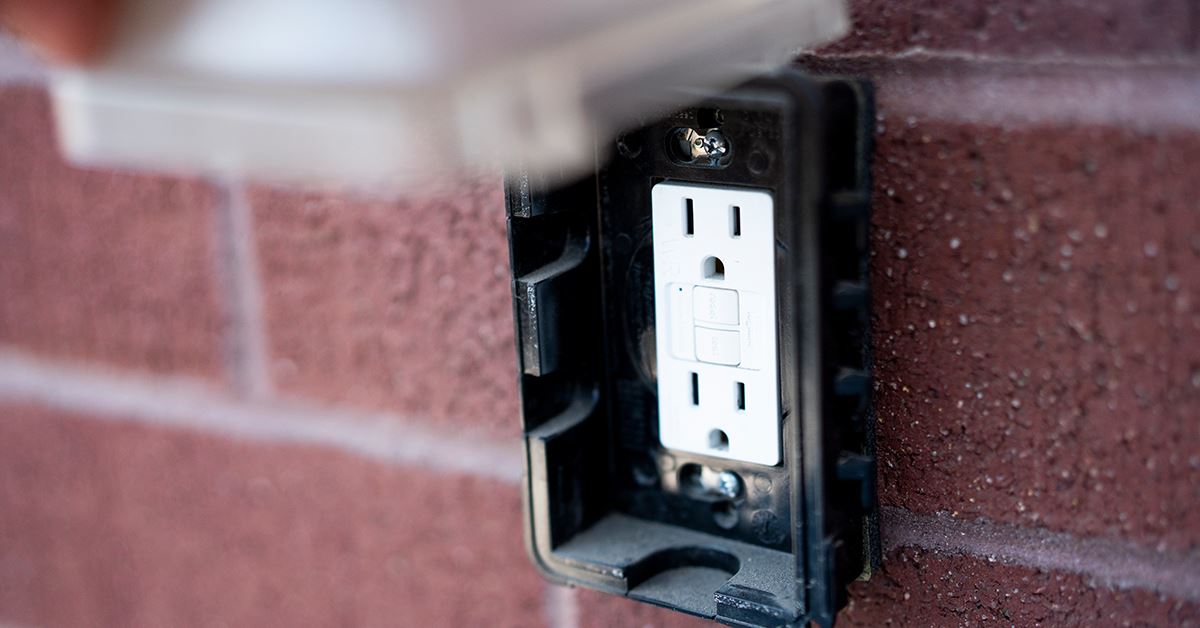
Modern electrical codes require GFCI protection for all outdoor outlets because of the increased risk of electric shock in wet or damp environments.
GFCI outlets are designed to:
- Instantly shut off power if a ground fault is detected
- Protect people from serious electrical shock
- Reduce the risk of electrocution
- Add an extra layer of safety for outdoor use
In Dripping Springs, outdoor outlets must also meet requirements for:
- Weather-resistant (WR) rated receptacles
- Proper grounding
- In-use (bubble-style) weatherproof covers
- Correct mounting height
- Proper circuit protection and labeling
Upgrading these outlets isn’t just about convenience—it’s about protecting your family, guests, and property.
What It Takes to Bring Outdoor Outlets Up to Today’s Code
When you hire a Dripping Springs Electrician to evaluate and upgrade your outdoor outlets, the process typically includes several important steps.
1. Electrical Inspection and Assessment
A licensed Dripping Springs Electrician will first determine:
- Whether existing outlets are grounded
- If the wiring is safe to reuse
- Whether the circuit is overloaded
- If the panel can support upgrades
- Whether aluminum or outdated wiring is present
Older homes often reveal hidden issues once covers are removed, making professional evaluation critical.
2. Installing GFCI Protection
Depending on the home, this may involve:
- Installing GFCI outlets at each outdoor location
- Adding GFCI breakers at the electrical panel
- Reconfiguring circuits to meet modern code
Each method must comply with NEC requirements and local amendments enforced in the Dripping Springs area.
3. Upgrading to Weather-Resistant Outlets
Today’s code requires outdoor outlets to be:
- WR-rated (designed to resist corrosion)
- Installed in weatherproof enclosures
- Protected even while a cord is plugged in
This is especially important in Central Texas, where heat, rain, and humidity can quickly degrade standard materials.
4. Grounding and Bonding Corrections
Many older homes lack proper grounding outdoors. A professional Dripping Springs Electrician can:
- Add grounding conductors where possible
- Correct bonding issues
- Ensure safe fault paths back to the panel
5. Permits and Code Compliance
Electrical upgrades often require permits and inspections. Licensed electricians handle:
- Permit applications
- Code compliance
- Final inspections
This protects homeowners during resale and ensures upgrades meet legal standards.
Is It OK for a Handy Homeowner to DIY Outdoor Outlet Upgrades?
This is one of the most common questions homeowners ask—and the answer depends on more than just skill level.
When DIY Might Seem Possible
Some homeowners consider DIY if:
- The outlet location is easily accessible
- The wiring appears modern
- They have basic electrical experience
However, appearances can be deceiving—especially in older homes.
Risks of DIY Electrical Work in Older Homes
In homes from the 1950s, DIY electrical work can be risky due to:
- Unknown wiring paths
- Shared or overloaded circuits
- Lack of grounding
- Hidden code violations
- Fire hazards caused by improper connections
Even a small mistake can result in:
- Failed inspections
- Insurance issues
- Electrical shock
- Damage to appliances
- Fire risk
Texas Licensing Matters
Texas requires electricians performing most electrical work to be licensed. A Texas-licensed Dripping Springs Electrician brings:
- Formal training
- Knowledge of current NEC standards
- Familiarity with local code enforcement
- Insurance and liability protection
For outdoor outlets—especially in older homes—this is one project best left to professionals.
Why Dripping Springs Homeowners Trust Local Electricians
Working with a local Dripping Springs Electrician offers advantages that out-of-area contractors may not provide.
A Local Dripping Springs Electrician will:
- Understand Hill Country construction styles
- Are familiar with older rural properties
- Know local inspection requirements
- Can recommend future-proof upgrades
- Build long-term relationships with homeowners
Texas natives who live and work in the area understand the unique needs of Dripping Springs homes—whether on acreage, in established neighborhoods, or near creeks and outdoor living spaces.
Long-Term Benefits of Upgrading Outdoor Outlets
Upgrading your outdoor outlets does more than meet code requirements. It also:
- Improves home safety
- Increases property value
- Reduces liability risk
- Supports outdoor living and landscaping
- Prepares your home for future upgrades
For homeowners planning renovations, outdoor kitchens, workshops, or additional structures, having compliant electrical infrastructure is essential.
Final Thoughts: Invest in Safety with a Dripping Springs Electrician
If you’ve purchased an older home in Dripping Springs, TX and your outdoor outlets have never been upgraded, now is the time to act. Homes built in the 1950s were not designed for today’s electrical demands or safety standards, and outdated outdoor outlets can pose serious risks.
Hiring a licensed Dripping Springs Electrician ensures your outdoor electrical system is safe, code-compliant, and built to handle modern use—without guesswork or unnecessary risk. While DIY projects have their place, outdoor electrical upgrades in older homes are one area where professional expertise truly matters.
By investing in proper GFCI protection and weatherproof outlets, you’re not just upgrading electrical components—you’re protecting your home, your family, and your investment for years to come.