

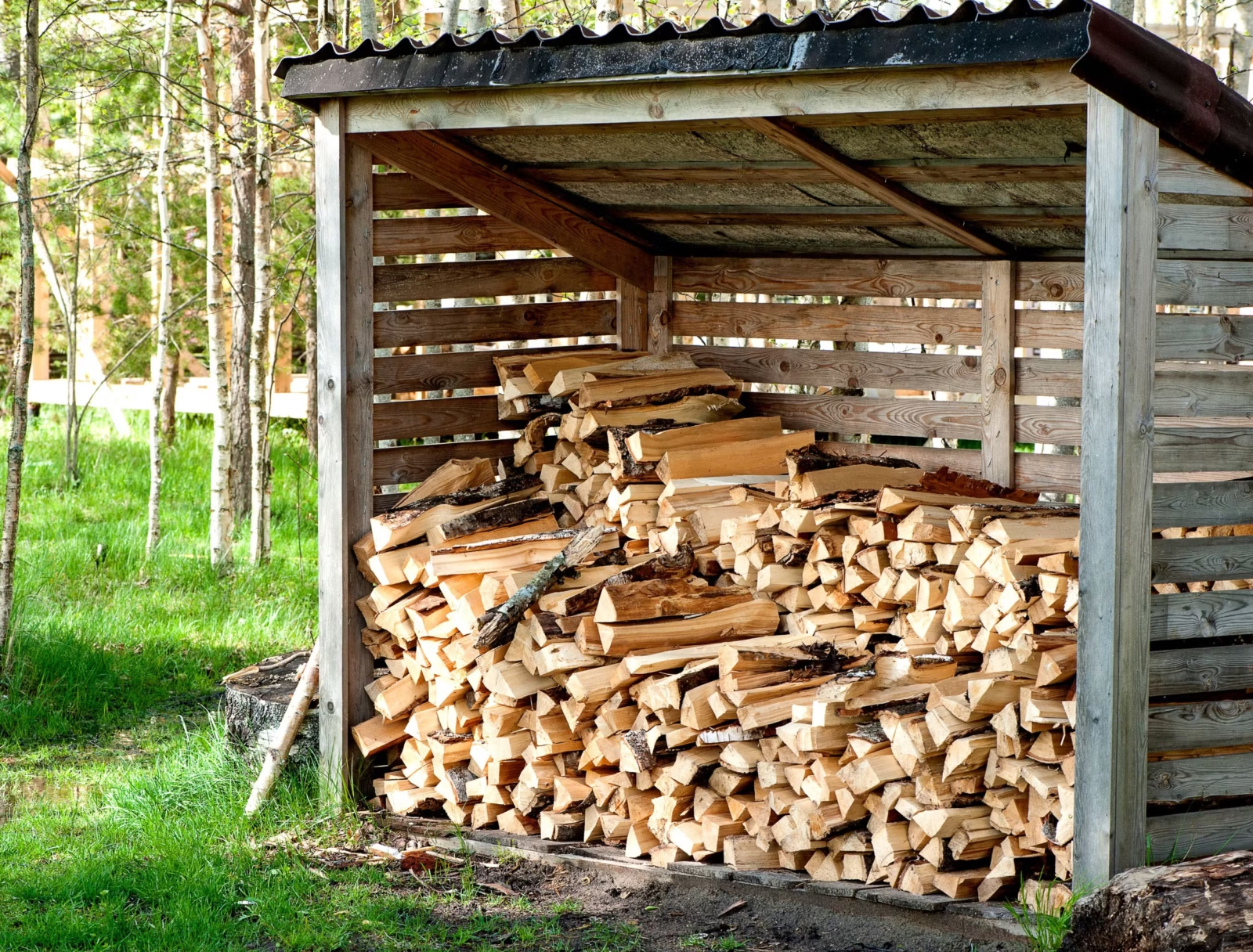
Storing firewood improperly will turn your toasty winter fuel into a highway for pests to march straight into your house. Incorrectly stored wood is attractive to termites, carpenter ants, beetles, and rodents. The bad guests do not just ruin your firewood supply. They may be capable of infesting your house, possibly doing structural damage, and creating a health threat for your family.
Many of the time, homeowners unknowingly create the perfect nesting opportunities for pests when they stack wood up against their homes or keep it in a damp area. Your home is warm along with moisture, which is perfect for breeding bugs. Once arrive, these pests proliferate and spread on your property.
For pest situations that are out of control, get in touch with professionals! And when you can prevent those problems today, you can save yourself the expense of those treatments, not to mention expensive repairs to your home a few years down the road. You can reach out to an expert for More info.
Importance of Proper Storage of Firewood to Avoid Pests
Storing firewood correctly acts as a buffer between your home and pests. Powder post beetles and carpenter ants, wood-boring insects, go after wet conditions. These destructive pests proliferate in moist, unseasoned firewood.
Proper storage also helps to maintain the quality of wood. Dry wood burns more completely and generates much less smoke than moist wood. That translates to better heating results and less creosote buildup in your chimney.
Pests kept in firewood will not remain confined to the woodpile. They will move to surrounding structures, such as your home’s foundation, siding, and rooms inside. Proper storage stops infestation before it starts, which protects the value of your property and the safety of your family.
Tips For Proper Firewood Storage
Keep Firewood Away From Your Home
Store firewood at least 20 to 30 feet away from your home, garage, and other outbuildings. The distance from your home makes it harder for pests to travel from the woodpile to your home. Insects and rodents are not going to establish nests and colonies in close proximity to their food source.
Select a breezy, partially sunny location. Such conditions will help wood to dry rapidly and to remain dry for extended periods. Do not keep wood in heavy shade or in closed areas that tend to be moist.
Elevate Wood Off the Ground
Stack wood on pallets, concrete blocks, or metal racks to elevate it off the ground. Ground contact readily admits soil moisture and ground-dwelling pests, including termites and ants.
It also increases air flow around the entire pile of wood. More airflow means faster drying and less moisture for being bugged! Operate with the first line of wood approximately 3-4 inches above the ground.
Stack Wood Properly for Air Circulation
Make loose piles where air can flow between rounds. Moisture gets trapped in tight stacks, and pests find perfect spots to hide. If possible, do not stack the pieces too tightly to contribute to air-drying and ventilation.
Wood should be stacked in single rows or in crisscrossed patterns to enhance air flow. Do not build solid fortresses of wood that obstruct the air from circulating. The upper layer should be sloping gently to shed rainwater away from the pile.
Use Appropriate Covering Methods
Only cover the top of your stack of wood, and keep the sides open so air can still circulate. Sealing wood completely traps moisture and becomes the perfect place for insect pests. Use tarps, steel roofing, or commercial firewood covers with adequate ventilation.
Cover and secure to prevent damage from wind while maintaining ventilation. Replace any damaged covers immediately to keep the rain and snow away and them drying.
Protect Your Home with Professional Pest Prevention
Correct firewood storage is good as your first defence against wood-destroying insects/pests. Even a little effort goes a long way as these easy storage solutions protect your wood investment and keep pests away. Year-round protection is sustained when used on a regular basis during the heating season.
And remember that it is much cheaper to prevent than to repair. Spend the time now to store your things properly, and you will avoid expensive pest problems down the road. Keeping an eye on your firewood and where it is being stored will help identify problems before they can become major issues.