

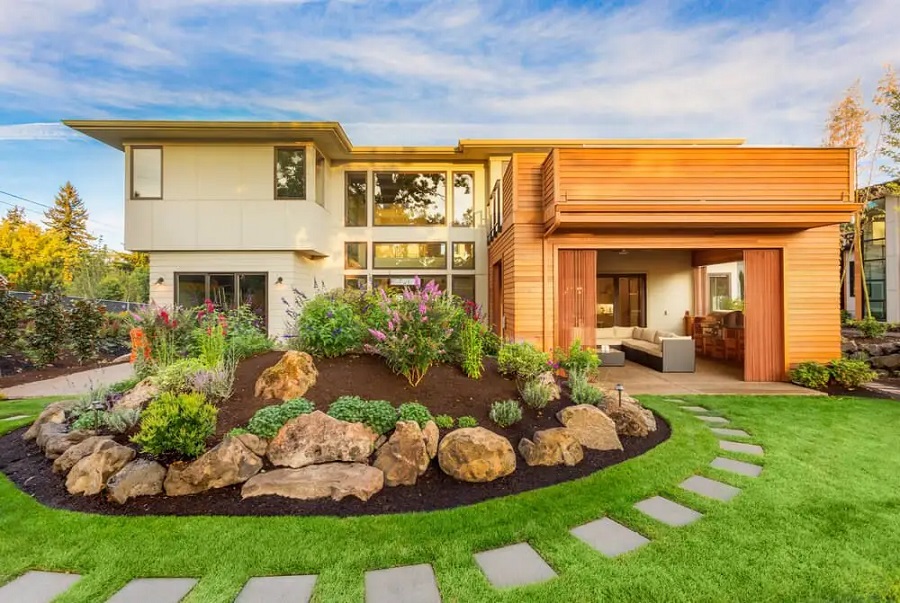
Innovative Design Trends to Elevate Your Garden Aesthetic
Exploring Modern Minimalism in Outdoor Spaces
In a world increasingly dominated by visual clutter and constant distractions, modern minimalism emerges as a refreshing approach to landscaping. The concept revolves around simplicity and functionality, stripping away unnecessary elements to create tranquil outdoor environments that promote relaxation and mindfulness. Minimalist landscaping emphasizes clean lines, open spaces, and a deliberate selection of materials, providing a serene backdrop for nature to shine. This design trend allows homeowners to enjoy their outdoor spaces without overwhelming sensory input.
Utilizing a few select plants instead of dense arrangements can create a sense of spaciousness. For instance, opting for sculptural evergreens can provide structure throughout the year, while perennials with understated blooms contribute subtle color without visual chaos. Hardscape elements like flagstone patios, gravel paths, and concrete benches can reinforce minimalistic aesthetics by providing texture and interest without veering into excess. Enhancing these features with strategic planting aligns well with the principles of balance and harmony which are fundamental in minimalist design.
Sustainable Landscaping: The Beauty of Eco-Friendly Designs
As environmental concerns escalate, sustainable landscaping has garnered significant attention, merging aesthetic appeal with ecological responsibility. This design philosophy focuses on creating landscapes that are not only beautiful but also thrive harmoniously with the local ecosystem. By integrating principles such as native planting, water management, and soil conservation, homeowners can cultivate outdoor spaces that enhance biodiversity and reduce resource consumption.
Native plants are a cornerstone of sustainable landscaping. They are adapted to the local climate and soil conditions, require less maintenance, and provide habitat for local wildlife. Coupled with practices like rain gardens and permeable paving, which manage stormwater runoff and reduce flooding, sustainable designs offer practical solutions to pressing environmental challenges. Furthermore, incorporating elements such as edible gardens can contribute to food security and reduce the overall carbon footprint through localized food production. Ultimately, eco-friendly designs not only serve the immediate aesthetic needs of property owners but align with a broader commitment to environmental stewardship.
Creating a Cohesive Indoor-Outdoor Flow: Tips & Tricks
One of the most sought-after elements in modern residential design is a seamless transition between indoor and outdoor spaces. Creating a cohesive indoor-outdoor flow transforms both areas into an extended living space, enhancing the property’s functionality and aesthetic. This concept emphasizes the use of consistent materials, colors, and design motifs that unify the two environments, encouraging a harmonious lifestyle that blurs the lines between nature and domesticity.
For instance, using large glass doors or folding panels can invite natural light into living areas while providing unobstructed views of the garden. On the outdoor side, extending the same flooring material, such as wood or tile, from the inside out can create a seamless feel. Incorporating similar color palettes in furniture and decor can further reinforce this connection, establishing a theme that ties each area together. Additionally, designing outdoor seating areas that mirror the style of indoor furniture promotes a sense of continuity, fostering an atmosphere of comfort that encourages homeowners to enjoy the outdoors regularly.
Transformative Elements: Water Features That Captivate
Understanding the Therapeutic Benefits of Water in Landscaping
Water features in residential landscaping are more than mere decorative elements; they offer profound psychological and environmental benefits that can transform an outdoor space into a sanctuary. The presence of water has been shown to induce relaxation, reduce stress levels, and enhance overall well-being. This is largely due to the soothing sounds of flowing water, which can drown out noise pollution and create a serene acoustic environment.
Beyond the auditory benefits, water features also improve air quality through evaporative cooling, creating a more pleasant atmosphere throughout the surrounding landscape. Additionally, they provide vital habitats for local wildlife, supporting greater biodiversity. Incorporating water features whether as a small fountain, a decorative pond, or a grand waterfall can elevate the visual appeal of residential landscaping and contribute to the holistic health of the ecosystem. Understanding these benefits encourages homeowners to thoughtfully integrate water features into their outdoor designs, enriching the overall experience.
Showcasing Unique Fountain Designs to Enhance Your Space
Fountains are timeless landscaping elements that can serve as focal points, creating a captivating atmosphere in any garden. Unique designs can draw the eye and inspire admiration, transforming outdoor spaces into visually stunning areas. Contemporary styles embrace artistic interpretations, ranging from geometric shapes to organic forms that mimic nature’s beauty. Whether opting for a sleek modern fountain or a vintage-inspired piece, the right design can accentuate the character of your home and garden.
Consider integrating multi-tiered fountains, which manifest a sense of depth and movement, or wall-mounted options that save space while adding sophistication. In addition to their aesthetic value, many modern fountain designs incorporate energy-efficient pumps and solar power, aligning functionality with eco-conscious practices. Supplementing fountains with strategically placed seating areas can invite relaxation, creating an enticing environment for friends and family to gather and enjoy the tranquility of flowing water.
Mystical Ponds: Creating Natural Habitats in Your Garden
Ponds hold a special allure in landscaping, evoking images of serene retreats where nature and creativity combine. By constructing a pond, homeowners can cultivate a dynamic ecosystem that fosters biodiversity, attracting various wildlife, from frogs to butterflies. Designing a pond requires thoughtful consideration of its scale, shape, and placement within the landscape to achieve visual harmony and functionality.
Incorporating aquatic plants, such as water lilies and lotuses, enhances the pond’s beauty while providing essential habitat for marine life. Adding elements such as pebble beaches or small islands invites additional wildlife and provides varied aesthetics and habitats within the same structure. Moreover, the inclusion of a filtration system ensures the pond remains healthy and sustainable, reducing algae growth and maintaining water clarity. A well-designed pond can become a captivating centerpiece inviting meditation, reflection, and connection to the natural world.
Choosing the Perfect Plant Palette: From Color to Texture
Seasonal Bloomings: Synchronizing Colors Throughout the Year
The careful selection of plants plays a crucial role in creating an engaging outdoor space that offers continuous beauty and interest throughout the changing seasons. By understanding the blooming cycles of various flowers and plants, homeowners can design landscapes that synchronize colors and textures, offering a feast of visual delight at every turn. This understanding entails researching the specific flowering times and growth habits of plants to create a cohesive seasonal palette, ensuring that the garden evolves in appeal as nature progresses from winter’s starkness to summer’s vibrancy.
For example, early spring can be heralded by the arrival of crocuses and daffodils, followed by the lushness of peonies and hydrangeas in mid-summer, and culminating in the warm hues of marigolds and asters in the fall. Balancing perennials and annuals is key to maintaining vibrant displays, with the latter providing bursts of color in between the life cycles of the perennials. Moreover, incorporating evergreens in the design allows the garden to maintain structure and greenery throughout the winter months, ensuring it remains visually appealing regardless of the season.
Texture Play: Understanding Foliage Variations for Visual Interest
Coloring in landscapes involves more than just floral blooms; the textural aspects of plants can dramatically enhance the depth and dynamic quality of outdoor spaces. By integrating foliage variations such as the broad leaves of hostas, the fine, delicate fronds of ferns, or the spiky forms of yuccas, homeowners can create lush, multidimensional gardens that engage the senses. Mixing textures introduces an element of sophistication, transforming a flat landscape into one that invites exploration and interaction.
Experimenting with plants of different heights, shapes, and sizes allows for visual layers, producing a landscape that captivates. Tall perennial grasses can provide movement in response to the wind, while ground cover plants can ground higher elements while creating a rich carpet of greenery. By considering both foliage color and texture, homeowners can craft gardens that resonate with varied depths, enriching the overall landscape experience.
Native Plants: A Deep Dive into Biodiversity and Sustainability
Incorporating native plants into residential landscapes is a powerful step toward achieving both aesthetic appeal and ecological responsibility. Native plants are those that grow naturally in a particular region without human intervention, adapted to local climates, soils, and wildlife. Their selection offers species that can thrive with minimal maintenance, resist pests, and require fewer resources, making them ideal candidates for sustainable gardening.
Utilizing native plants not only fosters biodiversity by providing habitats for native pollinators, birds, and other wildlife but also supports the intricate web of life that sustains local ecosystems. From flowering plants that attract bees to berry-producing bushes that feed birds, the inclusion of native species enhances the ecological richness of any landscape. Moreover, landscaping with native plants can help combat the detrimental effects of climate change and habitat loss, aligning personal gardening initiatives with broader conservation efforts creating beautiful gardens that serve as stewards of nature.
Outdoor Living Spaces: Crafting Your Own Personal Retreat
Designing Functional Patios: Merging Comfort and Style
Patios serve as gateways to outdoor living, providing spaces for relaxation, entertaining, and enjoying the natural surroundings. A well-designed patio marries functionality with style, allowing homeowners to maximize their outdoor spaces while reflecting personal tastes and lifestyle needs. When designing a patio, considerations such as size, layout, and material selection play crucial roles in establishing a harmonious area that complements the garden and the home itself.
Materials like brick, stone, or composite decking can convey different aesthetics whether rustic charm or contemporary elegance while ensuring durability and ease of maintenance. Additionally, layering the patio with distinct zones such as dining areas, lounging spaces, or even outdoor games can enhance its usability and create defined areas for various activities. Incorporating comfortable seating, such as lounge chairs, outdoor sofas, and dining sets, cultivates an inviting atmosphere that encourages the enjoyment of outdoor spaces throughout the year.
Creating Outdoor Kitchens for Culinary Enthusiasts
For culinary aficionados, integrating outdoor kitchens into residential landscapes can transform the way meals are prepared and enjoyed. Not only does an outdoor kitchen extend living space, but it also enhances dining experiences by allowing families to gather outdoors while preparing food. Designing an outdoor kitchen involves careful planning, ensuring that it is equipped with essential amenities, such as grills, countertops, sinks, and refrigeration units, tailored to individual cooking styles and preferences.
Beyond mere functionality, an outdoor kitchen should harmonize with the surrounding landscape, using materials and finishes that are cohesive with the overall design. Whether opting for a rustic brick oven or a sleek stainless-steel grill, custom layouts not only cater to culinary needs but also provide aesthetic appeal. Supplementing an outdoor kitchen with dining areas and comfortable seating fosters a sense of community and encourages gatherings that embrace the joys of outdoor living. Creating such an inviting atmosphere can elevate dining experiences, making meals an occasion to savor amid nature’s beauty.
Enhancing Ambiance with Lighting: From Pathways to Party Areas
Lighting plays a pivotal role in enhancing the ambiance of outdoor spaces, offering both functionality and beauty. Thoughtfully designed lighting can transform the landscape at night, highlighting architectural features, illuminating pathways, and creating inviting atmospheres for evening gatherings. Various types of outdoor lighting from wall-mounted fixtures to solar-powered path lights can be strategically placed to ensure safety while showcasing the garden’s beauty after twilight.
For those looking to create a captivating evening setting, string lights, lanterns, or even integrated LED lighting can add a magical quality to outdoor spaces, making them ideal for entertaining. Incorporating adjustable lighting options allows homeowners to customize the atmosphere depending on the occasion bright for social gatherings, soft for intimate dinners. Additionally, featuring accent lighting on water features, distinctive plants, or artistic sculptures can draw attention to these focal points, enriching the overall experience of the outdoor landscape.