

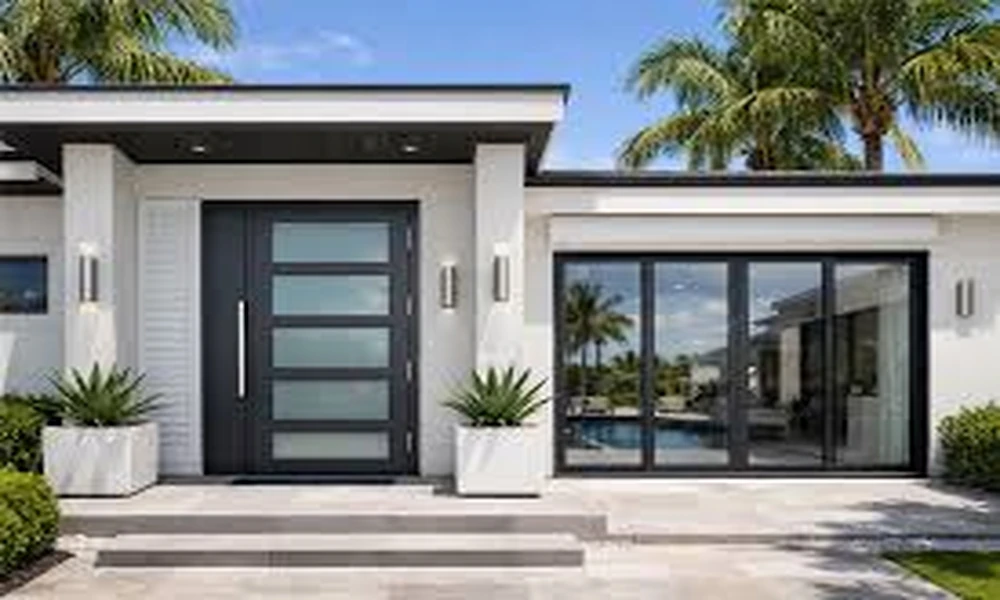
Every hurricane season, the same question comes up in Fort Lauderdale living rooms: are impact windows worth it, or is it smarter to stick with shutters and call it a day? The honest answer depends on what you’re actually trying to protect – and for most homeowners, it’s more than just glass.
The Real Job Impact Windows Do
Standard windows fail in two ways during a storm: flying debris shatters the glass, or extreme pressure changes cause structural stress once a window blows out entirely. Once that happens, wind gets inside the house, and internal pressure can start lifting the roof from underneath. That’s why building codes in wind-borne debris regions like Broward County require specific protection for every opening, not just the ones facing the ocean.
Impact windows are built with a laminated interlayer between two panes of glass, similar in concept to a windshield. The glass can crack under debris impact, but the laminate holds it together, so the opening stays sealed. That single difference is what keeps wind and water out when it matters most.
Shutters vs. Impact Windows: The Tradeoff Nobody Mentions
Shutters are cheaper upfront and still meet code. But they only work if someone’s home to put them up before the storm arrives, and they need to come down afterward, every single time. Impact windows are passive protection – they’re doing their job whether you’re home, at work, or out of town when a storm forms faster than expected, which happens more often than most people plan for.
There’s also a day-to-day difference shutters can’t touch: impact windows stay in place year-round, which means better insulation, less outside noise, and often a UV coating that cuts down on furniture and flooring fade. Shutters only add value during the handful of days a year they’re actually up.
What It Actually Costs, and Where the Money Comes Back
Impact window installation isn’t cheap, and any contractor who tells you otherwise isn’t being straight with you. But two things offset that cost over time. First, most Florida insurers offer a real premium discount for wind-mitigation upgrades, and impact windows typically qualify. Second, homes with documented impact protection tend to sell faster and for more in South Florida’s market, since buyers increasingly ask about it before they ask about kitchen finishes.
What to Check Before You Sign Anything
Not all “impact-rated” products are created equal. Florida requires a Notice of Acceptance (NOA) or Miami-Dade Product Approval for any product installed in high-velocity hurricane zones, and it’s worth asking your contractor to show you the specific NOA number for the windows they’re quoting – not just a general claim that the brand is “hurricane rated.” A licensed, insured contractor should have no problem producing this on request.
If you’re comparing quotes in Fort Lauderdale, it’s worth getting at least two from reputable home renovation services, checking that the installer is properly licensed with the state, and confirming the warranty covers both the glass and the installation labor separately – a lot of complaints trace back to installation error, not product failure.
Hurricane season doesn’t wait for anyone to finish researching. If your windows are original to a home built before the mid-2000s, there’s a good chance they don’t meet current wind-load requirements at all, which is worth finding out well before a storm is on the radar.