

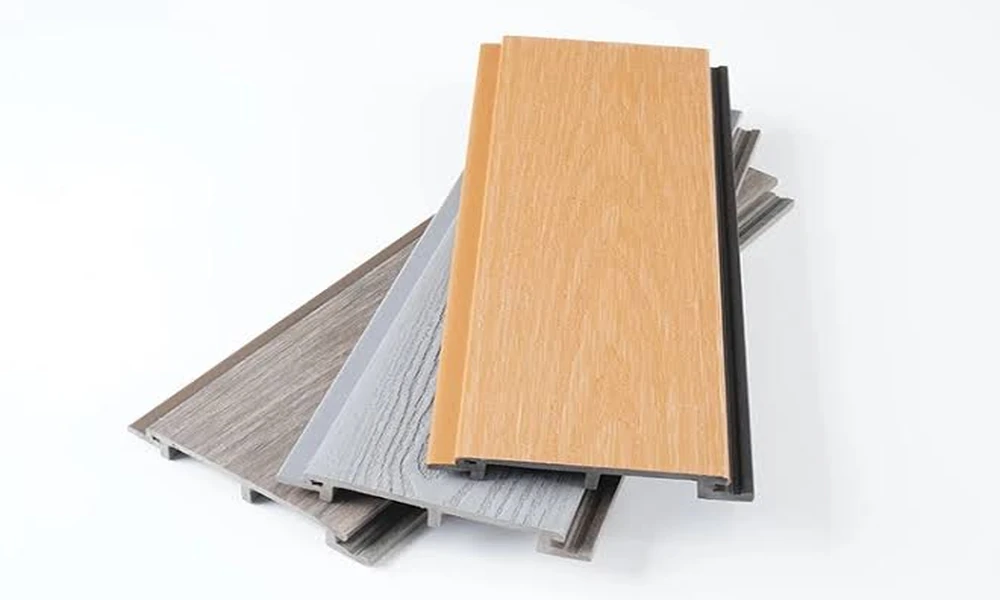
If you have ever stood outside a building after five years and noticed the paint peeling off or the wood turning grey and cracked, you already know the problem with traditional exterior materials. They just don’t hold up the way we expect them to. And that’s exactly why more architects, contractors, and homeowners are now switching to ASA sheets for their exterior cladding needs. But is this switch actually worth it? Let’s break it down properly so you can decide for yourself.
ASA Sheets vs Traditional Exterior Materials
Before jumping into performance numbers, let’s get the basics clear first. Traditional exterior materials mean things like:
- Wood panelling
- Cement sheets
- Regular PVC boards
- Painted plywood
These have been used for decades. Nothing wrong with that. But they come with baggage. Wood rots, cement sheets crack over time, and painted surfaces need repainting every few years just to look decent.
On the other side, we have modern options like ASA sheets and ASA laminates, which are basically acrylic-styrene-acrylonitrile-based panels designed specifically to survive harsh outdoor conditions. Think heavy rain, direct sun, pollution, and even coastal salty air.
Quick Comparison Table
| Factor | Traditional Materials (Wood/Cement) | ASA Sheets |
| UV Resistance | Poor to Moderate | Excellent |
| Water Absorption | High | Almost None |
| Maintenance Needed | Frequent (paint, seal, repair) | Minimal |
| Lifespan (Exterior) | 5-10 years | 15-20+ years |
| Termite Risk | High (for wood) | None |
| Color Fading | Fast | Very Slow |
ASA Sheets vs Traditional Exterior Materials: UV Resistance
Here’s something most people don’t think about until it’s too late. UV rays from the sun are brutal on exterior materials.
Wood fades. Regular plastic yellows. Paint chalks off within two to three years in high UV zones like Rajasthan or coastal Tamil Nadu.
ASA sheets, however, are built with a UV-stable acrylic layer on top. This layer basically acts like sunscreen for the panel. It doesn’t fade, doesn’t chalk, and doesn’t turn brittle under constant sun exposure.
A simple example. Imagine two houses built at the same time in Jaipur, one with painted wood cladding and one with ASA panels. After four years of scorching summers, the wooden house will need repainting at least once, maybe twice. The ASA cladded house? It will still look almost the same as day one.
ASA Sheets vs Traditional Exterior Materials: Weather and Moisture Handling
This is the area where traditional materials tend to fall apart, sometimes literally.
Wood soaks up moisture. Once that happens, swelling and warping follow, and rot isn’t far behind. Treatment slows this down. It doesn’t stop it.
Cement sheets have their own version of the problem. Constant expansion and contraction from temperature shifts leads to hairline cracks over time, and water finds its way into every one of them, making things worse with each passing season.
ASA sheets sidestep this entirely because the material itself is non-porous. There’s nothing for water to soak into. That makes them a strong fit for:
- Coastal regions with high humidity
- Areas that see heavy monsoon rainfall
- Buildings situated near water bodies
ASA Sheets vs Traditional Exterior Materials: Cost
Here’s the part that makes people hesitate. ASA sheets cost more upfront than basic wood or cement. That much is true, and there’s no getting around it.
Look further out and the picture changes. Repainting a wood exterior every two to three years means paying for labour, scaffolding, and materials each time, and those costs stack up over a decade. Add it all together, and traditional materials frequently end up costing more in total than ASA sheets would have, purchased once and left alone.
It’s kind of like buying a cheap umbrella that breaks in one monsoon versus a slightly pricier one that lasts five years. The math works out in favour of quality eventually.
Plastic Laminate Sheets Are Different
Now, a lot of people confuse ASA sheets with regular plastic laminate sheet options. They’re not the same thing, and this distinction matters a lot.
Regular plastic laminates are generally used indoors, on furniture, cabinets, countertops, that sort of thing. They aren’t designed to handle direct sun or rain exposure. Use them outside, and you’ll see discolouration and warping within a year or two.
ASA sheets are a completely different category. They’re engineered specifically for exterior application, with weather resistance built right into the material composition itself.
The Role of Thermo Laminate in Interior-Exterior Projects
For projects that need both interior and exterior finishing, a thermo laminate can work really well for the interior sections since it offers good heat resistance and a smooth finish for furniture and wall panels. But it’s important to keep it strictly indoors. Pairing thermo-laminate inside with ASA sheets outside gives you the best of both worlds: one handles interior aesthetics, the other handles harsh outdoor conditions.
Installation and Handling
Traditional materials like wood need skilled labour for cutting, sealing, and painting. Cement sheets are heavy and need proper support structures.
ASA sheets are comparatively lightweight, which honestly makes installation faster and reduces the load on the building structure. Less weight also means less stress on the frame over time.
ASA Sheets vs Traditional Exterior Materials: Which One Actually Wins?
If you’re building something that needs to last, and you don’t want to keep spending money on repairs every few years, ASA sheets come out ahead. They handle sun, rain, and general wear far better than wood or cement ever will.
Traditional materials like plastic laminate sheets aren’t useless; they still have their place, especially for certain traditional or heritage style builds where the aesthetic specifically calls for wood texture. But for pure performance, durability, and low maintenance over the years, ASA sheets and ASA laminates are simply built for the job in a way that older materials just aren’t.
At the end of the day, exterior cladding is one of those decisions you don’t want to redo every few years. Spend a little extra now on the right material, and you save yourself a whole lot of hassle, money, and repeated repainting jobs later. That’s the real performance test, not just how something looks on day one, but how it holds up on day one thousand.