

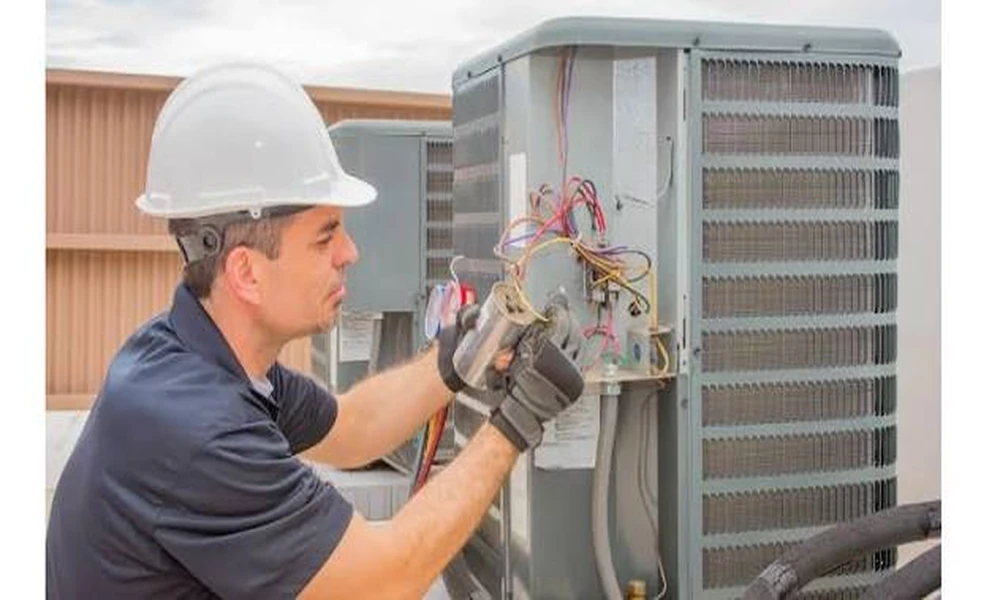
For a small business, a broken heating or cooling system is more than an uncomfortable afternoon. A shop that is too hot loses customers, an office that is too cold loses productivity, and a restaurant or clinic with failing equipment may have to close. Yet commercial HVAC is often treated as something to fix when it fails. The technicians at MBM Heating and Air, who serve commercial as well as residential customers in East Tennessee, see how much of that downtime is preventable. This guide explains what commercial systems need, how maintenance programs work and how to get the most from them.
Why Small Commercial Buildings Deserve Attention
Small buildings are easy to overlook in energy discussions, but they add up. A research report from the Lawrence Berkeley National Laboratory, available through the Department of Energy’s Office of Scientific and Technical Information, notes that buildings smaller than 50,000 square feet account for nearly half of the energy used in U.S. commercial buildings, even though efficiency programs have mostly targeted larger facilities. The same report found interest from small commercial owners in simple, low-cost solutions, which is exactly what routine maintenance provides.
How Commercial Systems Differ From Home Systems
Commercial equipment shares the same basic principles as residential equipment, but there are practical differences that affect how it should be maintained.
- Rooftop units (RTUs). Many small commercial buildings, such as retail shops, offices and restaurants, use packaged rooftop units that combine heating and cooling in one cabinet. They are exposed to weather, debris and roof conditions year-round.
- Heavier use. Systems may run for long hours, seven days a week, which increases wear.
- Larger and more complex controls. Commercial thermostats, economizers and building automation add features and more points of failure.
- Ventilation requirements. Commercial spaces often need controlled outdoor air for occupants, and kitchens, labs and similar spaces may have additional exhaust and makeup air demands.
- Multiple zones and tenants. Different areas may have different needs, and in leased spaces, responsibility for the equipment may be shared between owner and tenant.
- Regulatory and safety considerations. Refrigerant handling, electrical work and gas connections require licensed professionals and follow regulations.
What a Maintenance Visit Should Include
A thorough commercial service visit goes well beyond changing a filter. Look for these items on the scope of work:
Airflow and filtration
- Inspect and replace filters, checking that the filter size and rating are appropriate for the equipment
- Check the blower wheel, belts, pulleys and bearings
- Inspect dampers and economizers, if present, for proper operation
Cooling components
- Clean evaporator and condenser coils
- Check refrigerant pressures and look for leaks
- Inspect and clear condensate drains and pans
- Test capacitors, contactors and compressor operation
Heating components
- Inspect burners, heat exchangers, ignition systems and flue passages on gas heating units
- Check electric heating elements and sequencers where applicable
- Test safety controls and limit switches
Electrical and controls
- Tighten electrical connections and measure voltage and current draw
- Verify thermostat and control settings, schedules and setpoints
- Test safety shutoffs and alarms
Building and roof conditions
- Inspect the roof curb, flashing and panel seals on rooftop units
- Check for debris, standing water and signs of corrosion
- Confirm that access is safe and that the unit is secure
Documentation
- Provide a written report with readings, findings, photographs where appropriate and recommendations ranked by urgency
How Often to Schedule Service
A common standard is two professional visits per year: one before cooling season and one before heating season. Heavily used equipment, such as in restaurants, medical offices or server rooms, may need quarterly service. Filters often need more frequent attention than the rest of the system, sometimes monthly in peak seasons, and a technician can help set a schedule based on your building’s dust, traffic and operating hours. Staff can handle simple tasks, such as checking filters and keeping the area around outdoor units clear, if they have been shown how.
The Cost of Not Maintaining Equipment
Skipping maintenance may save money in the short term, but costs appear in other ways:
- Emergency repairs. Failures tend to occur during the hottest and coldest weather, when demand for service is highest and options are fewer.
- Higher energy bills. Dirty coils, clogged filters and misadjusted controls force equipment to work harder.
- Shorter equipment life. Neglected systems wear out faster, leading to earlier and more expensive replacement.
- Lost business. Downtime affects sales, employee productivity and customer satisfaction.
- Indoor air quality problems. Poorly maintained systems can circulate dust, moisture and odors, and may allow mold growth in damp components.
- Warranty issues. Many manufacturers require documented maintenance to keep warranty coverage in force.
Maintenance Agreements: What to Look For
Many HVAC contractors offer maintenance agreements or service plans that bundle scheduled visits with other benefits. Compare them on the details:
- Scope. What tasks are included in each visit, and is there a written checklist?
- Frequency. How many visits are included per year, and when are they scheduled?
- Priority service. Does the plan include faster response for emergencies?
- Discounts. Are repair labor and parts discounted for members?
- Coverage limits. What is excluded, such as refrigerant, major components or after-hours charges?
- Reporting. Will you receive documentation after each visit?
- Term and cancellation. How long is the commitment, and how does renewal or cancellation work?
- Equipment covered. Are all units on the property included, and what happens if you add equipment?
The price of an agreement should be weighed against the cost of a single emergency call and the energy and equipment-life savings that regular service can deliver.
Landlords and Tenants: Know Who Is Responsible
In leased commercial spaces, the lease determines who maintains and replaces HVAC equipment. Some leases make the tenant responsible for routine maintenance and repairs, while others assign major replacements to the landlord. Read the HVAC clauses, ask who holds service records and make sure a licensed contractor is performing the work. If you are a tenant, notify the landlord promptly about problems, and keep written records of service requests and visits.
Signs It May Be Time to Replace Equipment
Even with good maintenance, commercial equipment eventually reaches the end of its life. Consider replacement planning when:
- The unit is more than about 15 years old, or approaching its typical lifespan
- Repairs are becoming frequent and costly
- Energy bills are rising without a change in use
- Comfort is uneven or inadequate for the space
- The system uses a refrigerant that is being phased out and has become expensive to service
- Parts are difficult to find
Planning ahead lets you budget and schedule the work during a quiet season, instead of reacting to a breakdown on a busy day.
Questions to Ask a Commercial HVAC Contractor
- Are your technicians licensed and insured in Tennessee, and do you carry the appropriate certifications for refrigerant handling?
- Do you service the brands and types of equipment in my building?
- How quickly can you respond to emergencies, and do you offer after-hours service?
- What does your maintenance checklist include, and will I receive a written report?
- Can you help evaluate energy use and recommend upgrades with realistic payback estimates?
- What financing or incentive programs are available for replacements?
- How do you coordinate work so my business can keep operating?
A Simple Plan to Get Started
- Make a list of every heating and cooling unit on your property, with model numbers, ages and locations.
- Gather any past service records and warranty documents.
- Schedule a baseline inspection so a technician can document current conditions.
- Set up a maintenance agreement that fits your equipment and operating schedule.
- Train staff to check filters, report unusual noises or odors and keep outdoor units clear.
- Keep a log of service dates, repairs and energy bills to track changes.
- Review the equipment’s age and condition each year and plan for eventual replacements.
The Takeaway
For a small business, HVAC maintenance is not an optional extra. It protects comfort, lowers operating costs and prevents the kind of failures that interrupt business. Treat service visits as scheduled appointments, ask for written documentation and choose a contractor who can explain what they are checking and why. A little regular attention is far cheaper than a breakdown during your busiest week.