

Category to be published: https://www.smarthomeuse.com/category/real-estate/
St John’s Wood is not just another wealthy London enclave; it is a blueprint for the modern suburban dream. While many parts of the capital grew organically through a chaotic mix of industrial necessity and rapid Victorian expansion, NW8 was a product of deliberate, visionary planning. From the very beginning, the area was designed to offer something different-a sense of space, greenery, and architectural elegance that was previously unavailable so close to the city centre.
To understand why this corner of North West London looks the way it does, one has to look at the professionals who have curated its image over the centuries. Historically, the expertise of St Johns Wood estate agents has been a driving force in maintaining the area’s prestige, advising landowners on what the most discerning buyers were looking for and ensuring that new developments complemented the existing aesthetic. This collaboration between developers, estate managers, and property experts created a neighbourhood that remains one of the most sought-after postcodes in the world.
The Birth of the ‘Garden Suburb’
Before the 19th century, St John’s Wood was largely forest and farmland, once belonging to the Knights of St John of Jerusalem. However, as London began to feel the squeeze of the Industrial Revolution, the Eyre family, who owned the estate, saw an opportunity. They didn’t want to build the cramped, soot-filled terraces that were popping up elsewhere. Instead, they pioneered the concept of the “semi-detached villa.”
This was a revolutionary move. At the time, if you were wealthy, you lived in a grand townhouse in Mayfair or a sprawling country estate. The idea of a smaller, private house with its own garden, shared with just one neighbour, was entirely new. It offered a middle ground-a rural feel with urban convenience. This architectural shift was heavily influenced by the early property brokers of the day, who recognised that the rising merchant class wanted privacy and fresh air without abandoning their city connections.
Regency Elegance and the Stucco Revolution
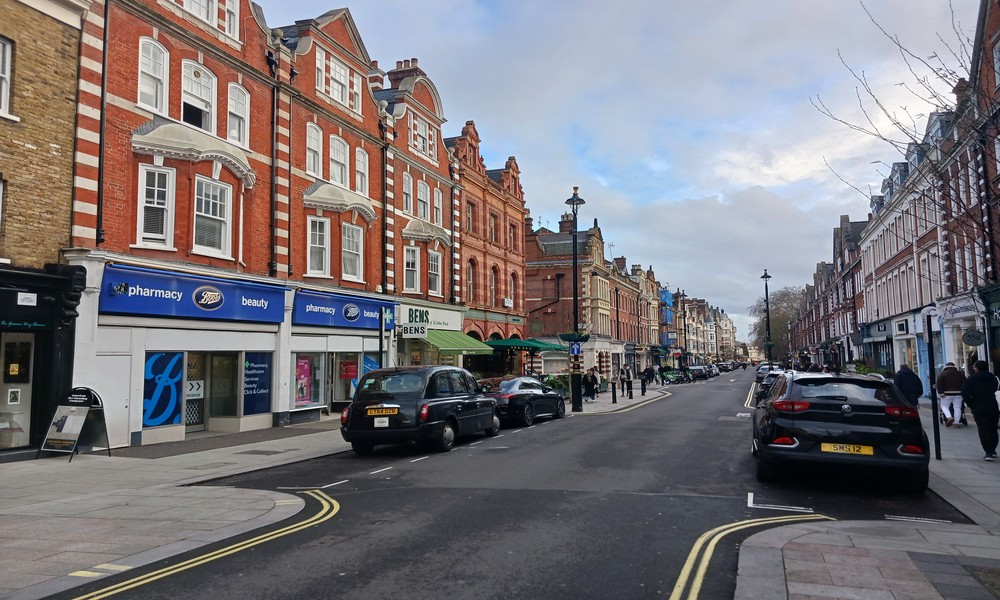
Walk down any of the leafy avenues in NW8 today, and you are greeted by the gleaming white façades of Regency architecture. The use of stucco-a type of render that mimics the appearance of stone-became a hallmark of the area. These buildings weren’t just houses; they were statements of intent.
The architects of the Eyre Estate focused on low-density housing, which was a direct contrast to the high-density developments in the East End. Large windows, ornate cornicing, and generous setbacks from the road became the standard. St Johns Wood Estate Agents throughout the 1800s played a vital role in marketing this “lifestyle” to the elite. They weren’t just selling bricks and mortar; they were selling a new way of living that prioritised light and greenery. This demand for “villa living” eventually spread across the UK, but it started right here in NW8.
The Rise of the Luxury Mansion Block
As the 19th century gave way to the 20th, the architectural needs of Londoners began to change. The massive domestic staffs required to run large villas were becoming a thing of the past, and a new demand for high-end, “lock-up-and-leave” properties emerged. This led to the construction of the grand mansion blocks that define much of the St John’s Wood skyline today.
Buildings like Eyre Court and Waverley Court weren’t built on a whim. They were a response to market intelligence provided by local property experts who saw that international buyers and wealthy professionals wanted the grandeur of a villa but with the security and convenience of an apartment. These blocks were designed with porterage, communal gardens, and high ceilings, ensuring that even though the density of the area was increasing, the sense of luxury remained intact.
Post-War Resilience and Modernist Touches
The Second World War left its mark on NW8, as it did on much of London. However, rather than filling the gaps with uninspired, utilitarian housing, the area saw some of the most interesting experiments in mid-century modernism.
Architects like Denys Lasdun and others brought a new flavour to the neighbourhood. While some feared these modern additions would clash with the Regency villas, the local property market embraced them. Expert St Johns Wood Estate Agents at the time were instrumental in explaining the value of these new designs to a sceptical public, highlighting the functional beauty and “honest” materials of the era. This led to a fascinating architectural tapestry where a 1960s modernist masterpiece might sit quite comfortably next to an 1830s Italianate villa.
The Role of Conservation in Shaping Value
One of the reasons NW8 has retained its character while other areas have succumbed to over-development is the strict adherence to conservation. Much of St John’s Wood is a designated Conservation Area, meaning that any changes to the exterior of buildings are closely monitored.
Local property experts have been the gatekeepers of this heritage. By advising homeowners on how to modernise their properties-such as adding basement extensions or internal refurbishments-without ruining the historical façade, they have managed to keep the area relevant for 21st-century living. The balance between preserving the past and accommodating the future is a delicate one. Without the guidance of those who understand the local market, many of these architectural gems might have been lost to insensitive renovations.
Why Architecture Drives the Investment Market
For investors and buyers, the architecture of St John’s Wood is its greatest asset. Unlike the glass towers of the City or the modern developments in Battersea, the buildings in NW8 have a timeless quality that protects their value.
When you look at the properties currently on the market, you see a range of styles that all share a common thread: quality. Whether it’s a Grade II listed house on Cavendish Avenue or a sleek apartment near Lord’s Cricket Ground, the architectural integrity of the building is what drives the price. People aren’t just buying a home; they are buying a piece of London’s history. The enduring popularity of the “St John’s Wood style” is a credit to the planners and agents who, over two centuries, refused to compromise on the original vision of the Eyre Estate.
The Future of NW8’s Skyline
As we look toward the future, the architectural evolution of St John’s Wood continues. The focus has now shifted toward sustainability and the retrofitting of historic homes. How do you make a 200-year-old villa energy-efficient without stripping away its soul? This is the new challenge for developers and property consultants.
We are seeing a move toward “invisible” technology-solar slates that look like traditional tiles, high-performance glazing that mimics original sash windows, and heat pumps tucked away in landscaped gardens. The demand for these features is high, and once again, it is the local experts who are guiding this transition. They understand that for NW8 to remain the pinnacle of London residential property, it must adapt to modern environmental standards while keeping its historic charm.
A Legacy Written in Stone and Stucco
The history of NW8 is a story of collaboration. It’s a story of how a family’s vision for a rural retreat was shaped by the market’s demands and preserved by the expertise of those who live and work in the area. The architecture of St John’s Wood is not static; it is a living, breathing record of London’s social and economic history.
From the first semi-detached villas to the grand mansion blocks and the modernist experiments of the 20th century, every building in this postcode tells a tale. And behind every one of those buildings was a property professional who recognised its potential. As the area continues to grow and change, that same level of care and expertise will ensure that St John’s Wood remains the gold standard for London living for another two hundred years.