

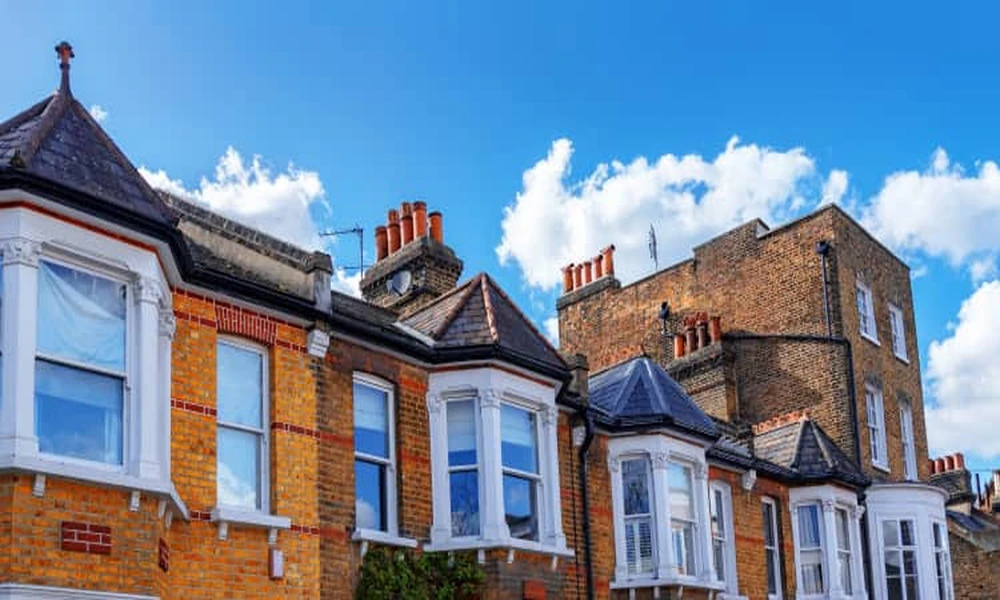
Ilford has a varied mix of homes, reflecting how the area has grown from a historic Essex town into a well-connected part of East London. Walk through its residential streets and you will find traditional terraced houses, attractive period properties, inter-war family homes and contemporary apartments. Each style has its own character, from original architectural details to modern layouts designed around everyday convenience. For anyone thinking about buying a home here, understanding these differences can help narrow down the search.
The type of property you choose can influence more than its appearance. Room sizes, garden space, maintenance requirements, energy efficiency and potential renovation costs all deserve consideration. Some buyers are drawn to older homes for their character, while others prefer a modern flat that requires less upkeep. Ilford’s housing mix gives buyers several options, depending on their budget, lifestyle and plans for the future.
Whether you are looking to buy your first home, move to a larger property or explore an investment opportunity, estate agents in Ilford can help you understand the different residential areas and identify properties that suit your requirements. Here is a closer look at the architectural styles you are likely to encounter across Ilford and its surrounding neighbourhoods.
1. Victorian Houses: Traditional Character and Period Details
Victorian properties form an important part of Ilford’s older housing stock. Built during the period of substantial residential expansion in the late nineteenth century, these homes often feature traditional brickwork, decorative window surrounds, high ceilings and separate reception rooms.
Depending on the property, you may also find bay windows, original fireplaces, patterned floor tiles and decorative cornices. These features give older homes a distinctive appearance that can be difficult to replicate in newer developments.
Many Victorian houses have been adapted to meet modern living requirements, with updated kitchens, additional bathrooms or extended living spaces. However, buyers should look beyond the interior finish. Roof condition, windows, insulation, plumbing and electrical systems are worth checking before making an offer.
2. Edwardian Properties: Space and Period Features
Edwardian homes are another familiar sight in parts of Ilford. Built during the early twentieth century, they often combine traditional architectural details with layouts that can feel more open than those of some earlier properties.
Common features include bay windows, red-brick façades, decorative entrance details and larger windows that allow natural light into the rooms. Some homes also have front gardens, rear gardens and side access, depending on their layout and plot.
For buyers who appreciate period character but want practical family accommodation, these properties can be worth exploring. Pay attention to how the rooms connect, whether the kitchen meets your needs and how much work may be required to improve the home’s energy efficiency.
3. Inter-War Semi-Detached Houses: Practical Family Living
Across residential parts of Ilford, including areas around Seven Kings and Newbury Park, inter-war housing provides another important property style. Many homes built during the 1920s and 1930s were designed for growing households moving into London’s expanding suburbs.
These properties often feature bay windows, pitched roofs, brick or rendered exteriors and front gardens with driveways on some plots. Inside, you may find separate reception rooms, a fitted kitchen and several bedrooms arranged over two floors.
Their appeal often comes from the balance of indoor and outdoor space. Families may appreciate the garden, while buyers who need a home office may be able to adapt a spare bedroom or reception room.
Before purchasing, check whether any extensions or loft conversions have the necessary permissions and building regulation approvals. Previous alterations can add useful space, but their quality and compliance matter.
4. Terraced Houses: Making the Most of Available Space
Terraced houses are a familiar feature of Ilford’s residential streets. They range from older period homes to properties built during later phases of suburban development.
One advantage of this style is that it can offer several bedrooms and a private garden without the footprint of a detached house. Depending on the property, there may be separate living and dining areas, a compact kitchen or an extended ground floor.
Because layouts and conditions vary considerably, it is worth comparing individual homes rather than assuming all terraced properties offer the same experience. Check natural light, storage, access to the garden and the condition of shared boundaries.
If you are considering extending the property, investigate planning restrictions and available space before relying on future improvements in your buying decision.
5. Modern Flats and New-Build Apartments
Modern apartments provide an alternative for buyers who prefer a contemporary finish and a more manageable living space. Ilford’s development around its town centre and transport links has introduced newer residential buildings alongside established housing.
These homes may feature open-plan kitchens and living areas, integrated appliances, secure entry systems, balconies and communal spaces. Some developments also provide lifts, cycle storage or allocated parking, although facilities differ between buildings.
Flats can suit first-time buyers, professionals and people who do not want the responsibility of maintaining a private garden. However, it is important to understand the lease terms, service charges, ground rent arrangements where applicable, building maintenance provisions and any restrictions on alterations.
For flats in taller buildings, buyers should also establish whether relevant fire-safety documentation and building requirements have been addressed.
6. Maisonettes: An Alternative to a Traditional Flat
Maisonettes offer another option for people who want apartment-style living with a layout that may feel more like a house. Depending on the building, a maisonette may occupy one floor or be arranged across two levels, with its own entrance in some cases.
This can provide a useful balance between a conventional flat and a larger house. Some properties include private outdoor space, while others offer separate living and sleeping areas that help create a clearer distinction between rooms.
As with any leasehold property, check the ownership arrangements, maintenance responsibilities, service charges and any restrictions affecting the home. Understanding these details will help you compare the overall cost with other properties on your shortlist.
7. Choosing the Right Property Style for Your Needs
The right home depends on how you plan to live. A period terrace may appeal to someone who values architectural character, while a semi-detached house could offer the extra space needed by a growing family. A modern flat may be more suitable for someone prioritising a simpler layout and convenient access to local amenities.
It is also worth exploring different parts of Ilford in person. Walk around the streets, check the journey to your nearest station and consider how close you would be to shops, schools, parks and other everyday facilities.
Property photographs are useful, but a viewing gives you a better sense of room proportions, natural light, storage and the overall condition of the building.
Conclusion: Find a Home That Suits Your Lifestyle
From Victorian and Edwardian houses to inter-war family homes and modern apartments, Ilford offers a broad range of property styles. Each comes with different advantages, and the best choice will depend on your priorities, budget and plans for the future.
Take time to compare layouts, inspect the condition of each property and understand any ongoing maintenance or ownership costs before making a decision. Looking beyond the exterior can help you find a home that works just as well in practice as it does on paper.