

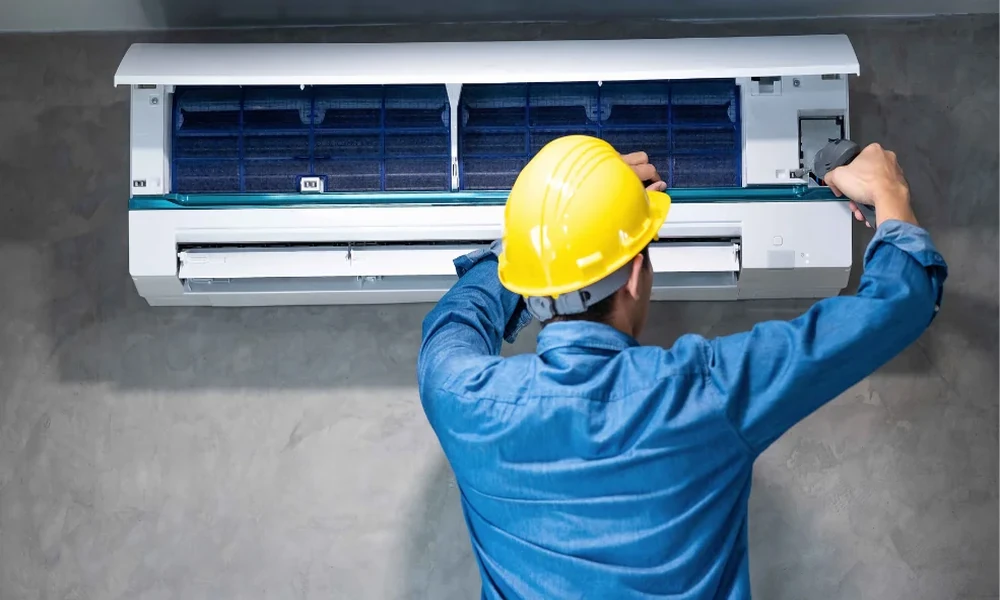
Air ducts distribute heated or cooled air throughout a building, helping maintain comfortable temperatures in different rooms. Over time, dust, pet hair and other debris can accumulate inside parts of the ductwork, particularly where filters are poorly maintained or gaps allow contaminants to enter. Although some dust is normal, excessive build-up, visible contamination or moisture problems may indicate that the system needs attention.
For homeowners considering duct cleaning services in Fresno, CA, it is important to understand when cleaning is worthwhile and what it can realistically achieve. Dust in ductwork does not automatically mean indoor air is unhealthy, and cleaning is not a substitute for replacing air filters or maintaining HVAC equipment. A sensible approach begins with identifying the source of the problem and choosing the right solution.
How Air Ducts Affect Indoor Air Quality
Heating and cooling systems circulate air through supply ducts and return ducts. If these components contain significant dust, debris or other contaminants, some material may enter the airflow when the system operates. The extent of this effect depends on the condition of the ductwork, the type of contamination and how the system is maintained. Proper filtration helps limit the amount of airborne material entering the equipment.
Indoor air quality also depends on factors beyond the ducts themselves. Cooking, cleaning products, outdoor pollution, pets and moisture can all affect the air inside a home. Cleaning ductwork will not remove every source of pollution, so it should form part of a wider maintenance plan that includes suitable ventilation, clean filters and prompt attention to damp areas.
Signs Your Ductwork May Need Cleaning
Not every HVAC system needs frequent duct cleaning. However, certain signs suggest that an inspection may be appropriate. Visible accumulations of dust or debris around accessible duct openings, substantial contamination inside the ductwork, or evidence of rodents or insects can justify further investigation. If mould is suspected, the moisture source must also be identified and corrected to prevent the problem from returning.
Homeowners may also notice dust collecting around vents or a musty smell when the system runs. These symptoms do not prove that dirty ducts are responsible. Dust may come from household activities, while persistent odours can originate from damp insulation, drainage issues or other HVAC components. Before arranging duct cleaning services in Fresno, CA, ask for an inspection that identifies the likely source and explains whether cleaning is necessary.
What Professional Duct Cleaning Involves
A professional duct cleaning service should assess the accessible parts of the system before work begins. Depending on the layout and condition of the equipment, cleaning may involve supply and return ducts, registers, grilles and other relevant components. Technicians generally use specialised equipment to loosen and collect debris while limiting its spread into occupied areas. The precise scope should be agreed before the appointment.
Before hiring a contractor, ask what the quoted service includes and how the work will protect the home and HVAC equipment. Useful questions include:
- Will the technician inspect the ductwork before recommending cleaning?
- Which ducts and system components are included in the service?
- How will loosened dust and debris be contained and removed?
- Will any damaged ducts, leaks or moisture problems require separate repairs?
A clear explanation helps you compare services without relying on broad promises about improved health or guaranteed energy savings.
Can Clean Ducts Improve HVAC Efficiency?
Duct cleaning may support system performance when substantial debris is obstructing airflow or affecting relevant components. However, ordinary dust inside ductwork does not necessarily cause a noticeable reduction in efficiency. Other issues, including dirty filters, leaking ducts, blocked vents and poorly maintained equipment, may have a greater influence on heating and cooling performance.
If rooms are difficult to heat or cool, investigate the whole system rather than assuming the ducts are responsible. Replacing filters as recommended, sealing accessible duct leaks and arranging routine HVAC maintenance can address common performance problems. A qualified technician can help determine whether cleaning is likely to make a meaningful difference or whether another repair would be more appropriate.
Preventing Dust and Debris Build-Up
Regular care can reduce the amount of debris entering the HVAC system. Check air filters according to the manufacturer’s guidance and replace or clean them as required. Keep supply vents and return grilles clear of furniture and household items, and maintain a reasonable cleaning routine to control dust from floors, fabrics and pets. If building work is taking place, protect HVAC openings where practical to prevent construction dust from entering the system.
Ductwork should also be kept dry and in good repair. Address plumbing leaks, condensation and other moisture sources promptly, as damp conditions can contribute to microbial growth. If ducts are damaged, disconnected or poorly sealed, have them repaired rather than relying on cleaning alone. Preventive maintenance helps keep the system in suitable condition and makes it easier to recognise when professional attention is genuinely needed.
The Verdict
Clean air ducts can contribute to a well-maintained HVAC system when there is significant debris, contamination or another clear reason for cleaning. However, duct cleaning is not necessary at regular short intervals for every home, and it cannot resolve all indoor air quality or efficiency concerns. Inspection helps establish whether cleaning is appropriate and which components need attention.
For lasting results, combine sensible duct maintenance with regular filter changes, good ventilation and prompt repairs to leaks or moisture problems. Choose a contractor who explains the work clearly and avoids unsupported guarantees. This practical approach can help homeowners maintain cleaner ductwork while focusing time and money on the improvements their HVAC system actually needs.
===================================================================