

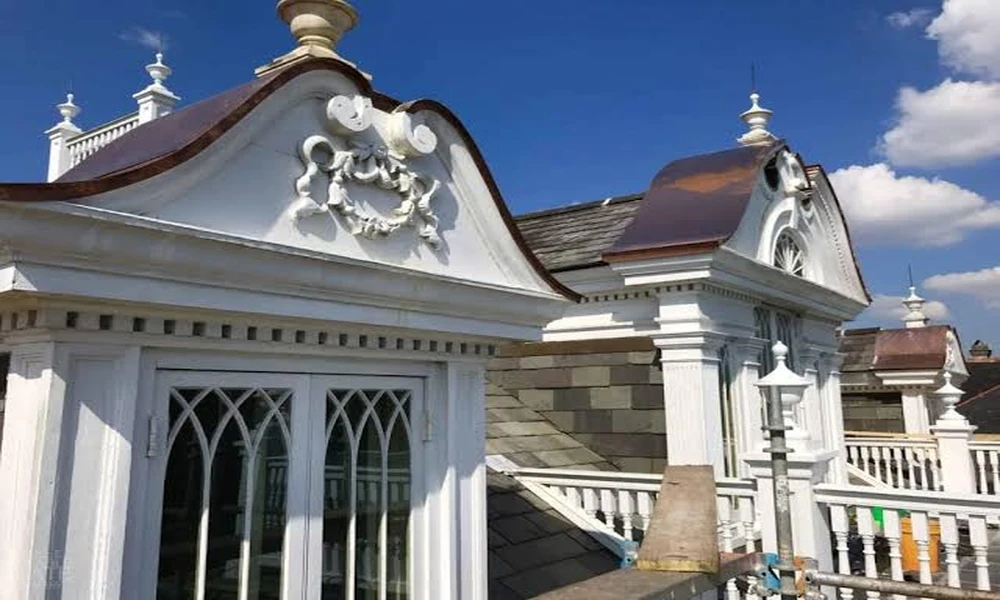
Two fires in 1788 and 1794 changed the skyline of New Orleans for good. Wood shingles had fed both blazes, so rebuilt homes went up under terra cotta tile and, a bit later, natural slate. Plenty of those slate roofs are still overhead in the Marigny, the Garden District and along Esplanade Avenue, and the owners of those houses eventually face the same question. Keep the real stone, or move to one of the many materials made to look like it?
Every option has a believer, so it helps to hear from people who work across all of them. A New Orleans roofing company with crews trained on slate, tile, metal, asphalt shingle and flat systems has no reason to push one material over another, and the team at shifflettroofing.com has handled that full mix since 1999 while carrying licensing, bonding and workers compensation coverage that many smaller outfits skip. Their newer installs come with warranty terms of 30, 40 or 50 years, which says something about how long a well chosen roof should last.
With that in mind, here is how real slate and its substitutes compare once you look past the sample board.
Stone That Outlasts Its Own Nails
Natural slate is less a roofing product than a rock split into sheets. The city’s Historic District Landmarks Commission puts a slate roof’s lifespan anywhere from 60 to 125 years, depending on the quarry, the slope and how well it was installed. The catch is that the slate usually outlives everything holding it. Iron nails rust, flashing wears thin, and the stone slides out of place long before it actually fails.
That pattern means many tired slate roofs need repair, not replacement. Cracked pieces can be swapped, loose ones refastened with copper nails or slate hooks, and worn valleys reflashed. HDLC guidance suggests replacement starts making sense once more than about 20 percent of the slates are damaged or missing. Below that point, a skilled slater can often buy decades more for a fraction of a new roof’s cost.
Five Materials Trying to Pass for Slate
Each substitute borrows the look but brings its own personality.
- Architectural asphalt shingles are the most common stand in. Layered fiberglass shingles in gray blends can mimic slate from the street, but HDLC guidance puts their life at roughly 15 to 25 years in this climate, with dimensional styles lasting toward the longer end.
- Synthetic or composite slate is molded from polymers or recycled rubber. It is light, cuts easily and often carries strong impact ratings, though many brands have not been on roofs long enough to prove their full promised lifespan.
- Fiber cement slate sits between the two in weight and cost. It resists rot and termites, but older generations of the product had a reputation for cracking and fading, so the specific brand matters a great deal.
- Standing seam metal does not imitate slate at all, yet it often enters the conversation because of its wind performance and long life. On historic homes it brings the most complicated approval questions.
- Salvaged slate is the hidden option. Reclaimed stone from demolished buildings can match color and size on a repair, and some owners use it to reroof a front slope while putting a substitute on hidden rear slopes.
What the Rafters Have to Say
Weight is where the comparison gets physical. Natural slate can weigh three or four times as much as asphalt shingles, and older New Orleans houses framed for slate were built to carry it. Moving from slate to something lighter rarely causes structural trouble.
Going the other direction is a different story. A camelback or shotgun that has worn asphalt for decades may have rafters undersized for real stone, and sagging ridgelines are often the first hint. Anyone hoping to restore slate to a house that lost it should ask for the framing to be checked before ordering a single pallet. Lath, sheathing and deck boards also deserve a close look, since rot under an old roof is common in a place this humid.
Hurricane Season Grades Them Differently
Wind changes the rankings. A properly fastened slate roof handles strong gusts well, but a loose slate becomes a heavy, sharp projectile in a hurricane, which makes maintenance more than a cosmetic issue. Asphalt shingles carry wind ratings that only hold up when they are nailed exactly as the manufacturer specifies. Synthetic slate tends to shine against hail and flying debris, and standing seam metal, when its clips and edges are installed correctly, is among the most wind resistant options available.
Insurance can tip the balance too. FORTIFIED construction and its premium discounts have become a major factor in Louisiana, and some materials fit those requirements more readily than others. Owners should ask their insurer how each option affects their policy before committing.
The Neighborhood Gets a Vote
Inside a local historic district, the material question is not purely yours. The HDLC roofing guidelines lay out who reviews what. Replacing slate with new slate goes through staff review, but removing a slate roof and installing a different material requires a Commission appeal. Asphalt and simulated slate are expected to come in shades of gray that read like stone, and brown shingles meant to look like wood are considered out of place. Metal roofs are generally discouraged on highly visible slopes where slate would have been the historic material.
Small details count as well. The guidelines favor keeping terra cotta ridge tiles and the little Chinese cap vents common across the city, and they warn against flashing that will wear out before the roofing does. A Certificate of Appropriateness plus the usual permits must be in hand before work begins, so planning around those reviews saves weeks of delay.
Measuring Cost Across Decades
Price per square foot makes slate look extravagant. Price per year of service tells a different story. A slate roof that lasts a century can cost less annually than three or four rounds of asphalt in the same span, especially once tear off, disposal and the disruption of each replacement are counted. Synthetics fall in the middle, trading a lower upfront bill for more uncertainty about long term durability.
The fairest comparison starts with three facts about your own house. How much of the original slate is still sound, whether the property sits inside a historic district, and how long you plan to own it will usually settle the debate more clearly than any sales brochure. For some homes the answer is careful repair of stone that has already served for generations. For others a well chosen stand in is the sensible path, as long as it is installed with the same care the original slate once received.