

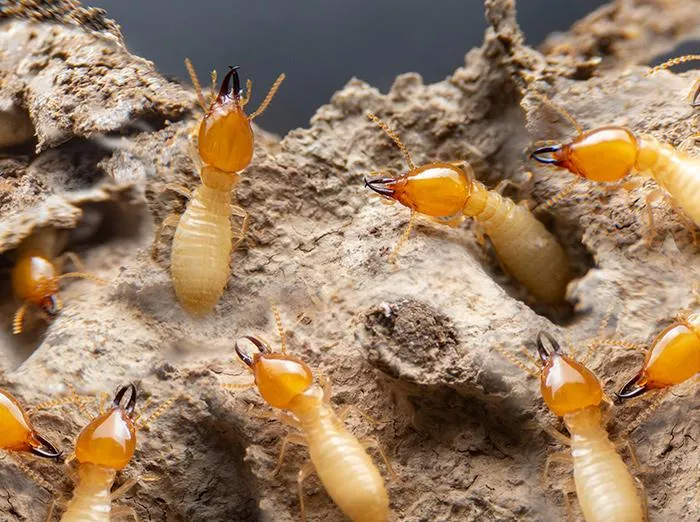
Termites are one of the most destructive pests that can invade a Kansas City home. These tiny insects work silently and often go unnoticed until significant damage has been done to your property. Understanding termite behavior, recognizing early signs of infestation, and knowing how to protect your home are essential for every homeowner in Kansas City.
In this article, we’ll cover the basics of termites, why Kansas City is vulnerable to termite problems, how to spot an infestation, and what you can do to prevent and treat termite damage.
What Are Termites?
Termites are small, pale insects often mistaken for ants. Unlike ants, termites feed on cellulose—the primary component of wood and plant materials. This means they can cause serious structural damage by eating through the wood in your home, including framing, flooring, and cabinetry.
There are several types of termites, but the two most common in Kansas City are:
- Subterranean termites: Live in underground colonies and build mud tubes to reach wood above ground. They are the most destructive type in the area.
- Drywood termites: Live directly inside dry wood, such as wooden beams or furniture. Less common but still problematic.
Why Is Kansas City Vulnerable to Termites?
Kansas City’s climate, with its hot summers and relatively mild winters, provides an ideal environment for termites. The combination of warmth, humidity, and seasonal rainfall creates the perfect conditions for termite colonies to thrive.
Spring and early summer are especially risky, as this is when termite swarms emerge from mature colonies to start new nests. This swarming is often the first visible sign that termites may be present near or inside your home.
Signs of a Termite Infestation
Detecting termites early can save thousands of dollars in repairs. Here are some common signs Kansas City homeowners should watch for:
- Mud tubes on foundation or walls: Termites build these protective tunnels to travel between their colony and food sources while avoiding exposure.
- Hollow-sounding wood: When tapped, termite-damaged wood may sound hollow due to internal tunneling.
- Discarded wings: Swarming termites shed their wings once they find a new place to establish a colony. Finding small, delicate wings near windowsills or doors can be a red flag.
- Sagging or damaged wood: Termites can cause doors, floors, or ceilings to warp, sag, or crack.
- Frass (termite droppings): Drywood termites leave behind small piles of sawdust-like droppings near infested wood.
If you notice any of these signs, it’s important to act quickly and get a professional termite inspection.
How to Prevent Termite Damage in Your Kansas City Home
Prevention is always better than treatment when it comes to termites. Here are some practical steps to reduce your risk:
- Reduce Moisture Around Your Home: Termites are attracted to moisture, so fix leaking pipes, keep gutters clean, and ensure proper drainage away from your foundation.
- Remove Wood Debris: Keep firewood, lumber, and other wooden materials away from your home’s exterior.
- Seal Entry Points: Caulk cracks and crevices in your home’s foundation and walls to limit termite access.
- Use Treated Wood: For any construction or repairs, use termite-resistant or treated lumber.
- Maintain Proper Ventilation: Ensure crawl spaces and basements are well-ventilated to reduce humidity.
- Regular Inspections: Schedule termite inspections every 1–2 years, especially if you live in older homes or areas with previous infestations.
What to Expect From a Professional Termite Inspection and Treatment
If you suspect termites or want to proactively protect your home, a professional termite inspection is essential. Licensed pest control experts will:
- Conduct a thorough examination of your property, including the foundation, crawl spaces, walls, and attic.
- Identify any signs of active infestations or conditions conducive to termites.
- Provide a detailed report and treatment plan tailored to your home’s needs.
Treatment options may include:
- Liquid termiticides: Applied around your home’s foundation to create a barrier that kills termites.
- Baiting systems: Placed in the ground to attract and poison termite colonies over time.
- Wood treatments: Injected or applied to infested wood to kill termites on contact.
Professionals also advise on long-term prevention and follow-up monitoring to keep termites at bay.
The Cost of Ignoring Termites
Termites may seem small, but the damage they cause can be extensive and expensive. Repairing termite damage in Kansas City homes can cost thousands of dollars, sometimes even more than the home’s value in severe cases.
Beyond financial loss, termite damage can compromise your home’s structural integrity, putting your family’s safety at risk. Insurance policies often don’t cover termite damage, so prevention and early detection are crucial.
Final Thoughts
Termites are a serious threat to Kansas City homeowners, but with vigilance, prevention, and professional support, you can protect your home from these destructive pests. Keep an eye out for early warning signs, maintain a dry and well-ventilated home environment, and schedule regular inspections with local pest control experts.
If you suspect termite activity or simply want peace of mind, contact a trusted Kansas City pest control professional today to safeguard your investment. We recommend kansas city pest control.