

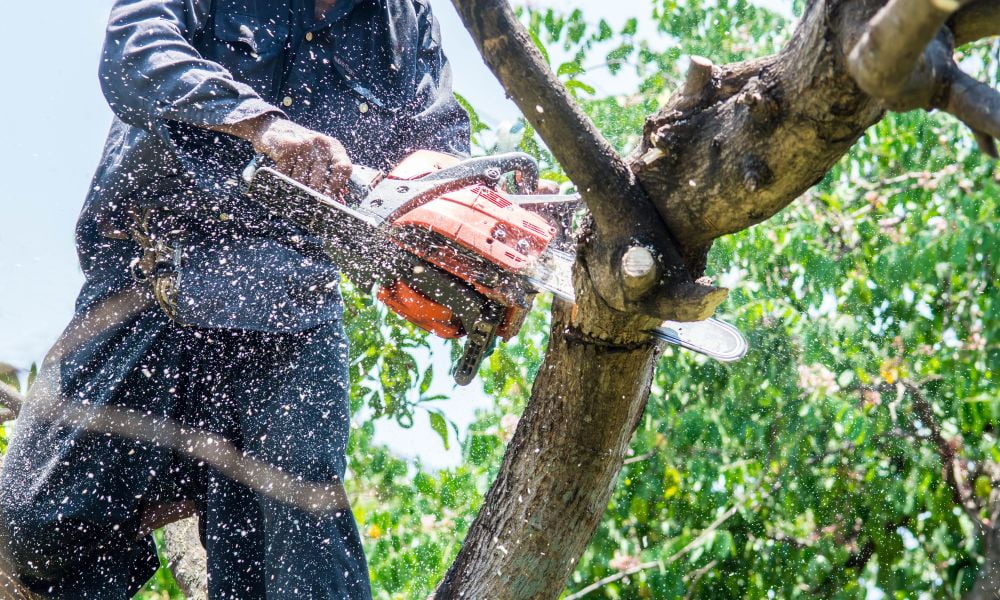
Healthy trees shape the character of a neighborhood, provide shade during humid summers, and protect property value through every season. In a city with dense housing, sidewalks, and overhead utilities, proper maintenance matters even more. Understanding how a Philadelphia tree service works – and when homeowners should act – helps prevent damage, costly repairs, and safety hazards.
Why Tree Care Matters in Urban Neighborhoods
Urban trees face different stress than forest trees. Soil compaction, vehicle exhaust, narrow planting spaces, and construction all affect growth. Without regular attention, branches weaken and roots shift toward foundations and walkways.
Well-maintained trees offer benefits:
- Lower cooling costs during summer
- Reduced stormwater runoff
- Increased curb appeal
- Improved air quality
- Safer sidewalks and driveways
Neglected trees, however, can become liabilities. Limbs falling onto parked cars or roofs often result from preventable structural problems.
Seasonal Care: What Homeowners Should Expect
Trees require different attention throughout the year. Each season provides a maintenance opportunity that protects long-term health.
Spring: Inspection and Early Growth
After winter, trees may carry hidden damage. Small cracks expand quickly once sap begins flowing.
Focus on:
- Removing dead winter branches
- Checking for fungus or bark splitting
- Light structural pruning for new growth
Summer: Weight and Storm Management
Summer storms arrive fast in the Mid-Atlantic. Heavy foliage increases wind resistance.
Important actions include:
- Crown thinning for airflow
- Removing crossing limbs
- Monitoring leaning trunks
This is often when residents contact a Philadelphia tree service after noticing branches brushing roofs or wires.
Fall: Preparation Before Cold Weather
Autumn is ideal for preventive maintenance because trees enter dormancy.
Recommended tasks:
- Root zone mulching
- Corrective pruning
- Removing diseased limbs
Winter: Structural Work
With leaves gone, arborists see branch architecture clearly. Winter pruning reduces stress on trees and prevents spring breakage.
Warning Signs You Should Not Ignore
Homeowners often wait too long to address tree problems. Many hazards give clear signals first.
Watch for:
- Mushrooms growing near roots
- Cracks forming in the trunk
- Bark peeling in vertical strips
- Branches dropping during calm weather
- Soil lifting near the base
If any appear, scheduling a Philadelphia tree service evaluation quickly reduces risk to property and pedestrians.
Safety Around Homes, Streets, and Power Lines
Trees grow continuously, but urban spaces do not. As branches expand, conflicts happen with structures and infrastructure.
Common urban conflicts
- Branches touching siding or gutters
- Roots lifting pavement
- Interference with street visibility
- Contact with electrical lines
Never attempt to trim near power lines yourself. Even insulated tools cannot eliminate risk. Professional crews use specific clearance practices designed for utility corridors and public safety.
Responsible Removal and Replacement
Sometimes removal becomes unavoidable. Storm damage, disease spread, or severe leaning can make preservation unsafe.
Good removal planning includes:
- Checking local permit requirements
- Choosing a suitable replacement species
- Planting at the correct distance from structures
- Improving soil before replanting
Replacing a failing tree with the right species prevents repeated problems decades later.
Conclusion
Thoughtful maintenance protects both property and community safety. Regular inspections, seasonal pruning, and early problem detection help trees thrive in dense neighborhoods without becoming hazards. Homeowners who stay proactive spend less on emergency work and preserve neighborhood greenery for years to come. For general guidance and educational insight about local tree care practices, companies like Pinecrest Tree Services contribute to awareness by helping residents understand responsible maintenance rather than reacting only after damage occurs.